
How Do I Organize My Pantry Before the Holidays?
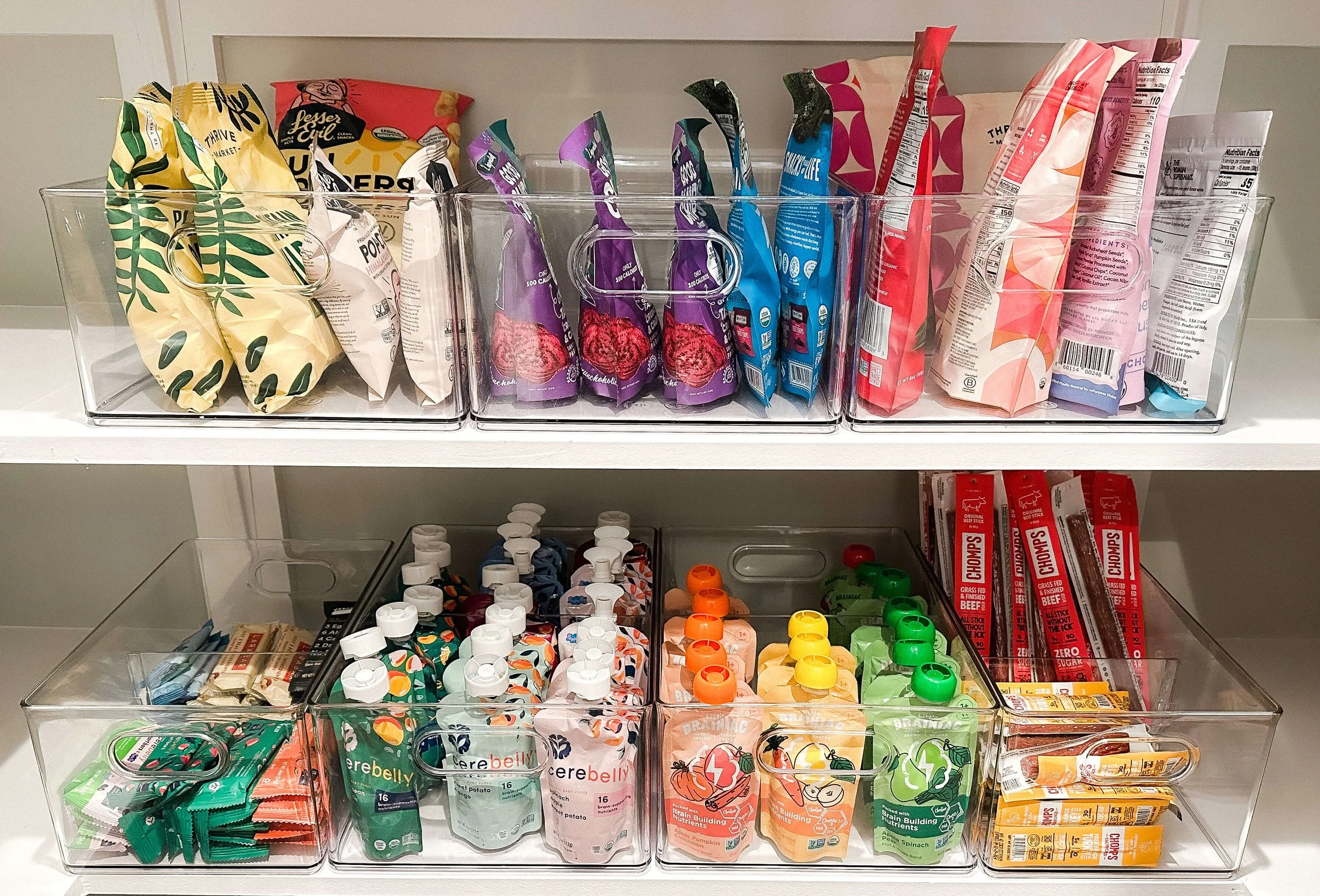
A well-organized pantry makes holiday grocery shopping, meal prep, and entertaining much more efficient.
Reviewed by: Lisa Greene Smith Founder, Simplify Studio Professional Organizing Last Updated: August 2026
The best way to organize your pantry before the holidays is to start earlier than you think you need to, edit before you organize, and build zones around how you actually cook rather than how a Pinterest photo looks. Holiday cooking, entertaining, and grocery shopping all move faster when everything has a home and you can see what you already own.
TL;DR
Start pantry organizing in early-to-mid November, before holiday grocery shopping ramps up.
Edit first. Toss expired items and consolidate duplicates before adding a single bin.
Build zones around how you actually cook: baking, snacks, everyday staples, and holiday overflow.
Use clear, labeled containers so you can see what you have at a glance, especially during high-volume weeks.
Leave room to grow. A pantry that works in November should still work in January.
Why This Matters More in November
By the time Thanksgiving planning starts, most pantries are already working overtime. There's the everyday grocery list, the ingredients for a big meal, the extra baking supplies, and the gifts of cookies and treats that tend to show up on the counter. If the pantry isn't set up to absorb that volume, it shows up as chaos: duplicate cans of pumpkin puree, three half-used bags of flour, and a search for the vanilla extract in the middle of making pie crust.
A well-organized pantry doesn't just look better. It changes how the whole season feels. Grocery shopping gets faster because you know what you have. Meal prep gets easier because ingredients are grouped by how you use them. And when family or guests are in the kitchen too, everyone can actually find what they need.



Our Approach to Pantry Organization
Our background is in interior design as much as it is in organizing, which shapes how we think about a pantry. A pantry isn't just storage. It's a working system that needs to hold up under real use, not just look good on the day we finish installing it. We design every pantry around how a client actually shops, cooks, and entertains, so the system still makes sense in the middle of a busy holiday week, not just the day it's photographed.
Pantry work often overlaps with the rest of the kitchen, too. If a bigger kitchen organization project in Charlotte is also on your list this season, we've written about how we simplify a kitchen before Thanksgiving cooking, which pairs well with the pantry system outlined here.
Start With an Edit, Not a Product Order
It's tempting to start with a cart full of matching bins. Resist that. The most effective pantries start with an honest edit.
Go through every shelf and ask:
Is this expired or close to it?
Do I have duplicates I forgot about?
Is this something I actually cook with, or something I bought once and never used again?
Does this belong in the pantry, or would it be better in the fridge, freezer, or a different cabinet?
Removing what you don't need before you organize is what makes the system last. Adding containers to a pantry that's still full of expired spices and mystery grains just creates a more expensive version of the same problem.


Build Zones Around How You Actually Cook
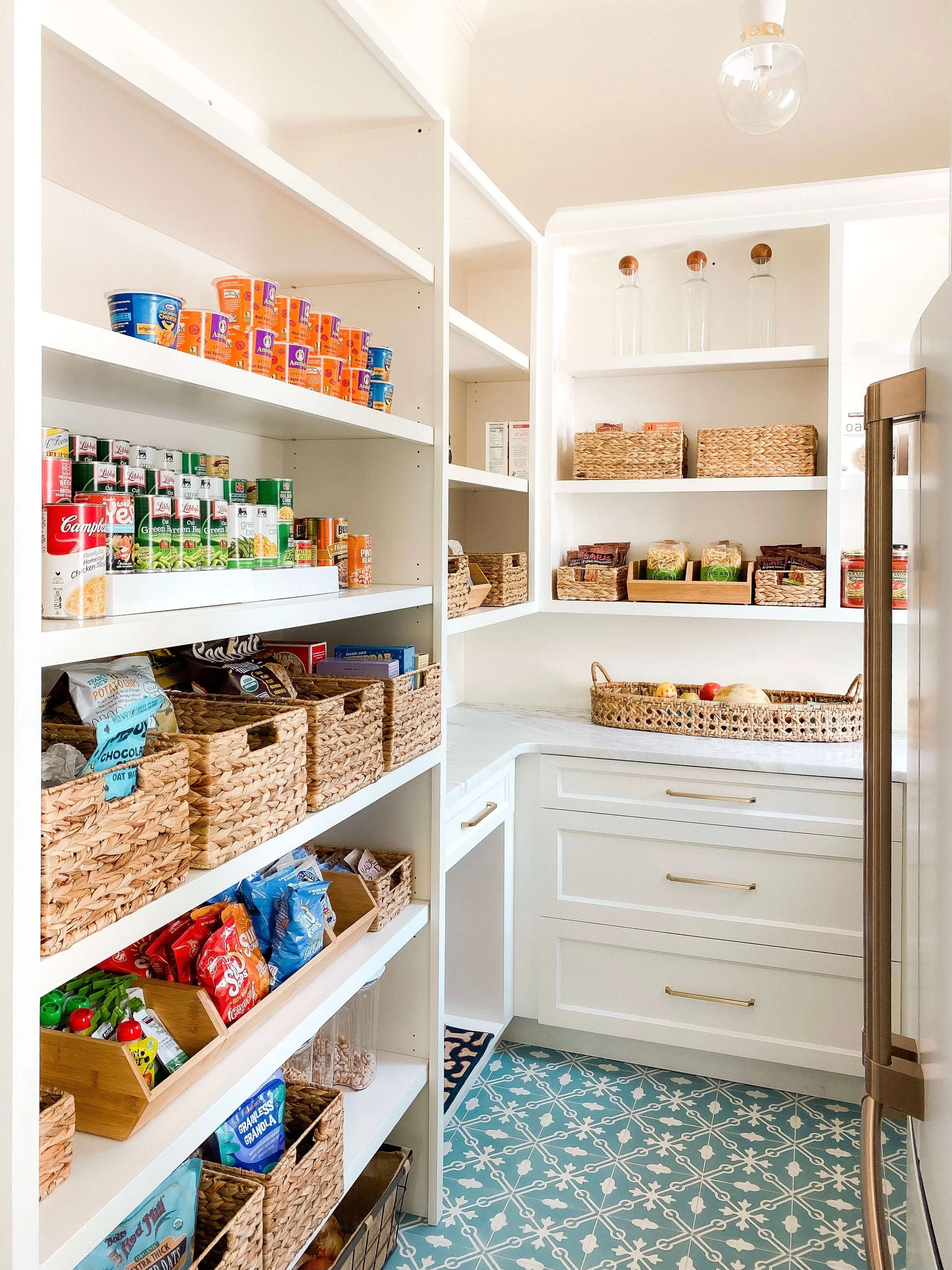
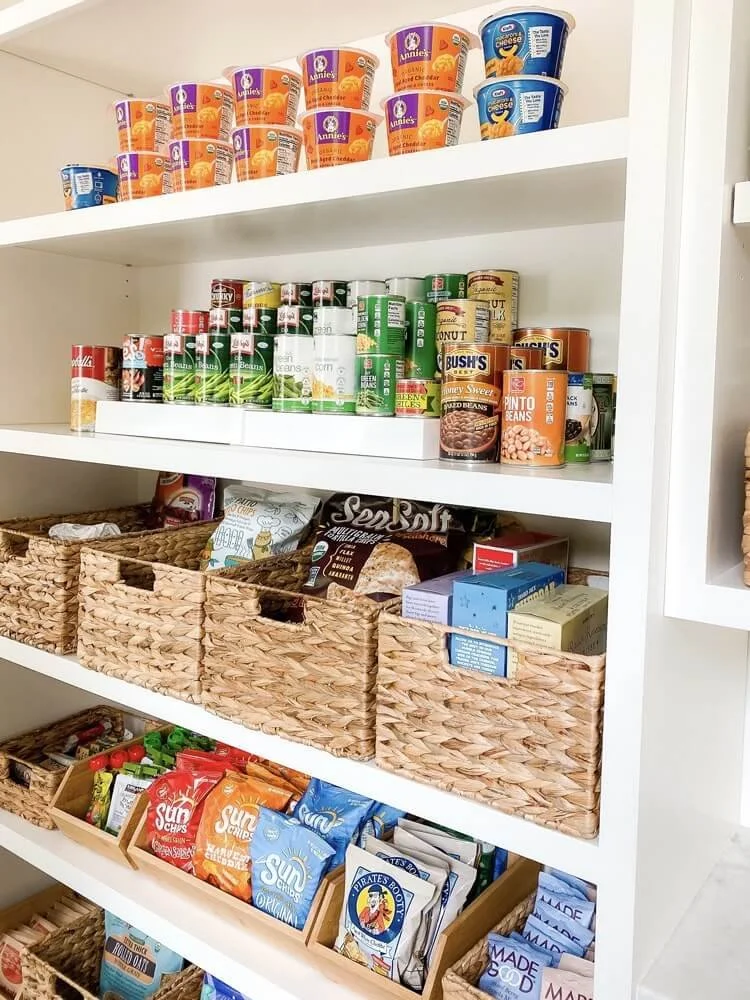
Once the edit is done, group what's left into zones that reflect your real cooking habits rather than a generic template. Common zones we use in Charlotte pantries include:
Everyday Staples
Grains, pastas, oils, and the ingredients used in weeknight meals. These should be at eye level and easy to reach without moving anything else.
Baking
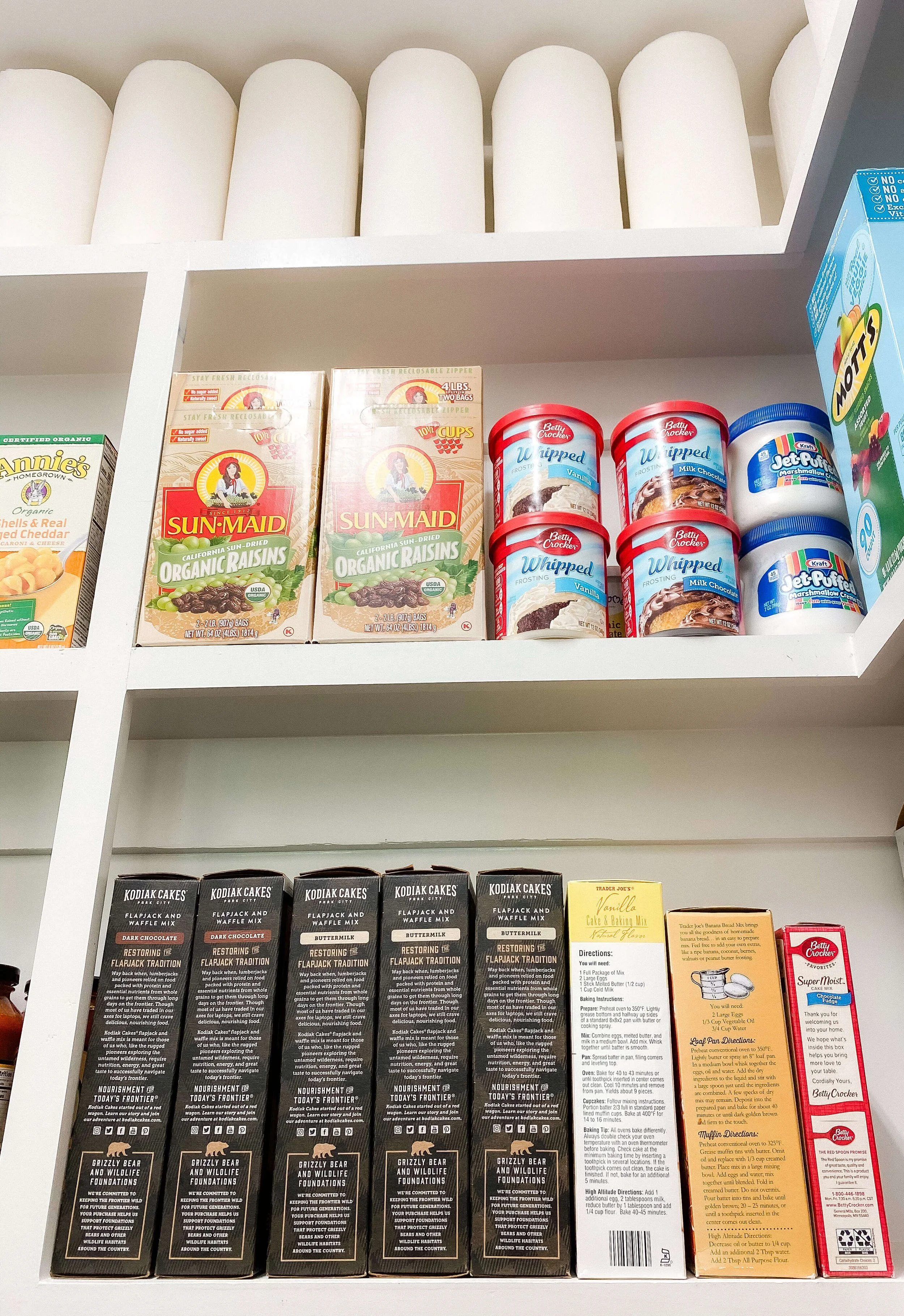
Flour, sugar, extracts, chocolate chips, and specialty ingredients that tend to come out in bulk around the holidays. Keeping this zone contained makes holiday baking noticeably faster.
Snacks
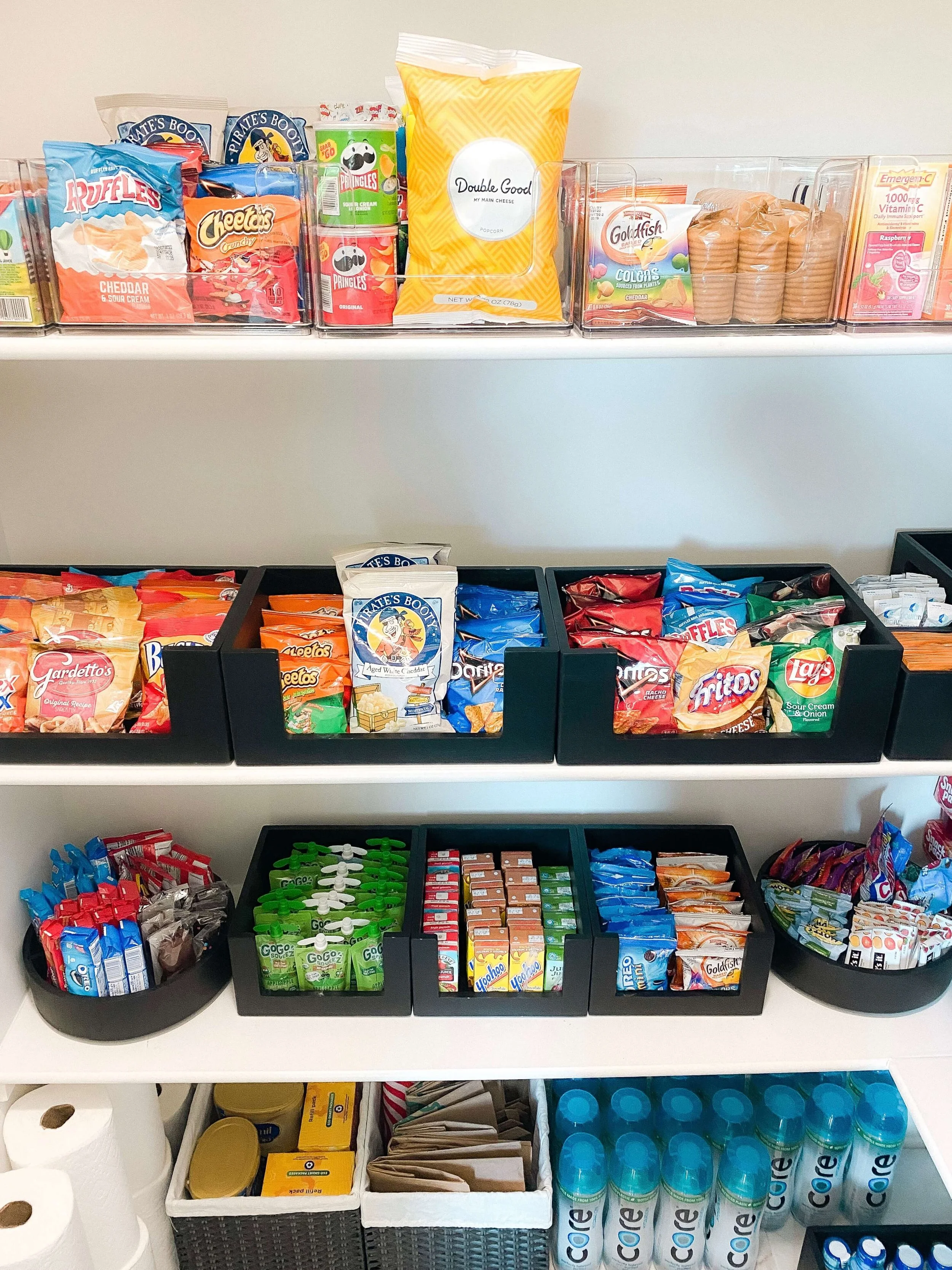
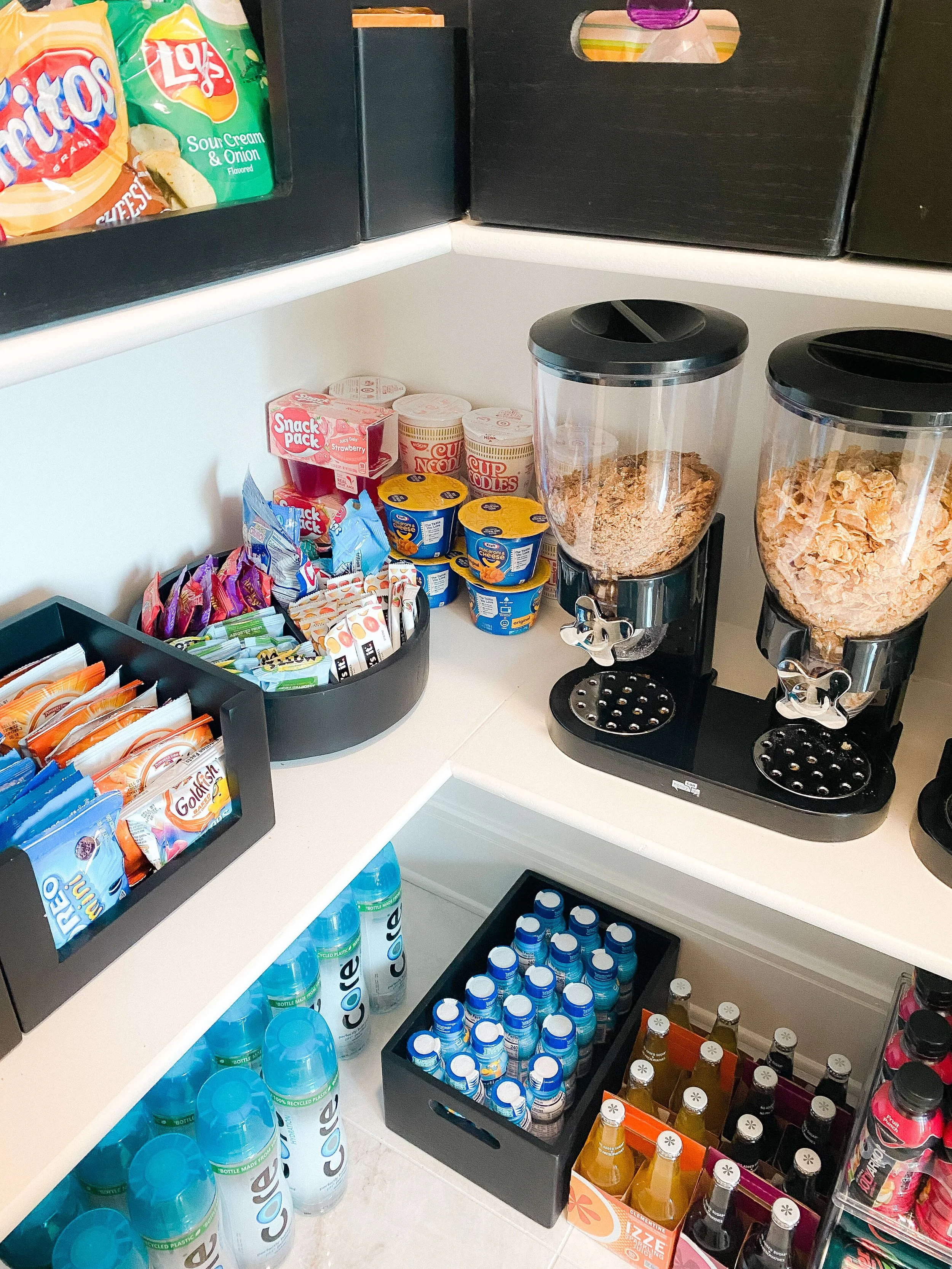
A dedicated zone, especially in households with kids or frequent guests, keeps grazing items from taking over the rest of the pantry.
Holiday and Entertaining Overflow
A flexible zone, even a single labeled shelf or bin, for the extra ingredients and serving items that only show up a few weeks a year. Keeping this separate from everyday staples means the holiday shopping list doesn't get tangled up with what you already have.
Choose Containers That Support the System
Clear, labeled containers matter for a practical reason: they let you see what you have at a glance, which is exactly what you need during a season with more grocery trips and more cooking than usual. Decanting staples like flour, sugar, rice, and pasta into clear containers also protects them from pests and keeps them fresher longer.
Labels should be simple and legible rather than decorative for its own sake. During a busy holiday week, a label that's easy to read at a glance is more valuable than one that's simply pretty.
Leave Room to Grow
One of the most common mistakes we see is a pantry organized so tightly that there's no room for holiday overflow. Leave a little breathing room in each zone, particularly the baking and staples zones, so extra ingredients have somewhere to go instead of ending up on the counter.
A pantry that only works when it's exactly full isn't a system. It's a snapshot. The goal is a system that still functions in three weeks, when the pantry looks different than it did on organizing day.
Common Pantry Organizing Mistakes
Organizing before editing. Bins can't fix a pantry that's still full of things you don't need.
Choosing containers before measuring the space. This leads to gaps, mismatched sizes, and wasted shelf space.
Ignoring how the household actually cooks. A system that doesn't match real habits won't get maintained, no matter how good it looks on day one.
Waiting until the week of a big event to start. Pantry systems take some time to set up properly. Starting earlier means less pressure and a better result.
Why Work With a Professional Organizer for Your Pantry
A lot of pantry advice online focuses on how a space looks in a single photo. Our focus is different. Our professional home organizing services are designed to create pantry systems that hold up to real cooking, real grocery shopping, and real holiday chaos because a beautiful pantry that falls apart by the second week isn't actually solving the problem.
Working with a professional organizer also means the edit gets done thoroughly and efficiently. It's easier to be objective about someone else's pantry than your own, and having a second set of eyes usually means the process moves faster and the end result lasts longer.
If your pantry needs more than a weekend refresh before the holidays, we'd love to help. Get in touch with Simplify Studio to talk through what a system built around your household would look like.