
How Do I Reset My Playroom Before the School Year Starts?
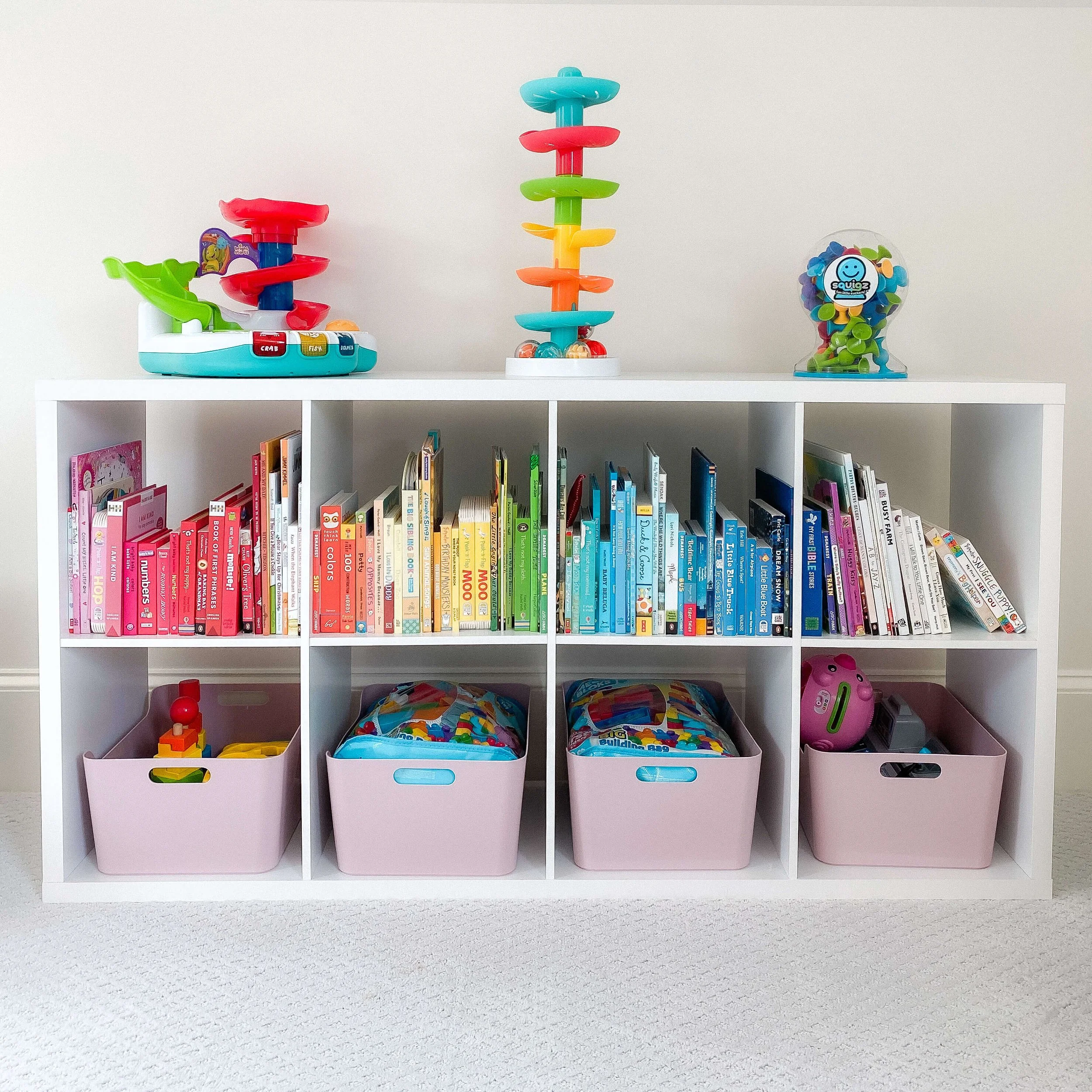
A thoughtfully organized playroom gives children room to play while making cleanup faster and easier before the school year begins.
Reviewed by: Lisa Greene Smith Founder, Simplify Studio Professional Organizing Last Updated: August 2026
Direct Answer
The best way to reset a playroom and kids' rooms before the school year starts is to edit before you organize. Sort through what your kids actually use and love, group what's left into simple zones, and choose storage that matches how your children play and how old they are right now. Most families don't have a storage problem. They have an editing problem, and new bins won't fix it.
A full back-to-school reset usually touches three areas: the playroom, the bedroom, and a small routine zone for backpacks and homework. None of it needs to take an entire weekend or a trip to the container store. It needs a plan, a little bit of honesty about what's actually being used, and systems your kids can keep up with on their own.
TL;DR
Summer toys, art supplies, and outgrown games pile up fast. An end-of-summer edit is the fastest way to reset the playroom.
Edit first. Add storage second. Bins don't solve a clutter problem on their own.
Group toys into simple, visible zones by category or type of play.
Kids' bedrooms need the same edit, especially closets, drawers, and outgrown clothes that built up over the summer.
A small homework and backpack zone near the door or kitchen makes the morning routine easier from day one.
Choose open bins, low shelving, and labels kids can actually use without help.
Involve kids in age-appropriate decisions so the system sticks past September.
A professional organizer can help when the reset turns into a bigger redesign.
Why Playrooms Fall Apart Every Summer
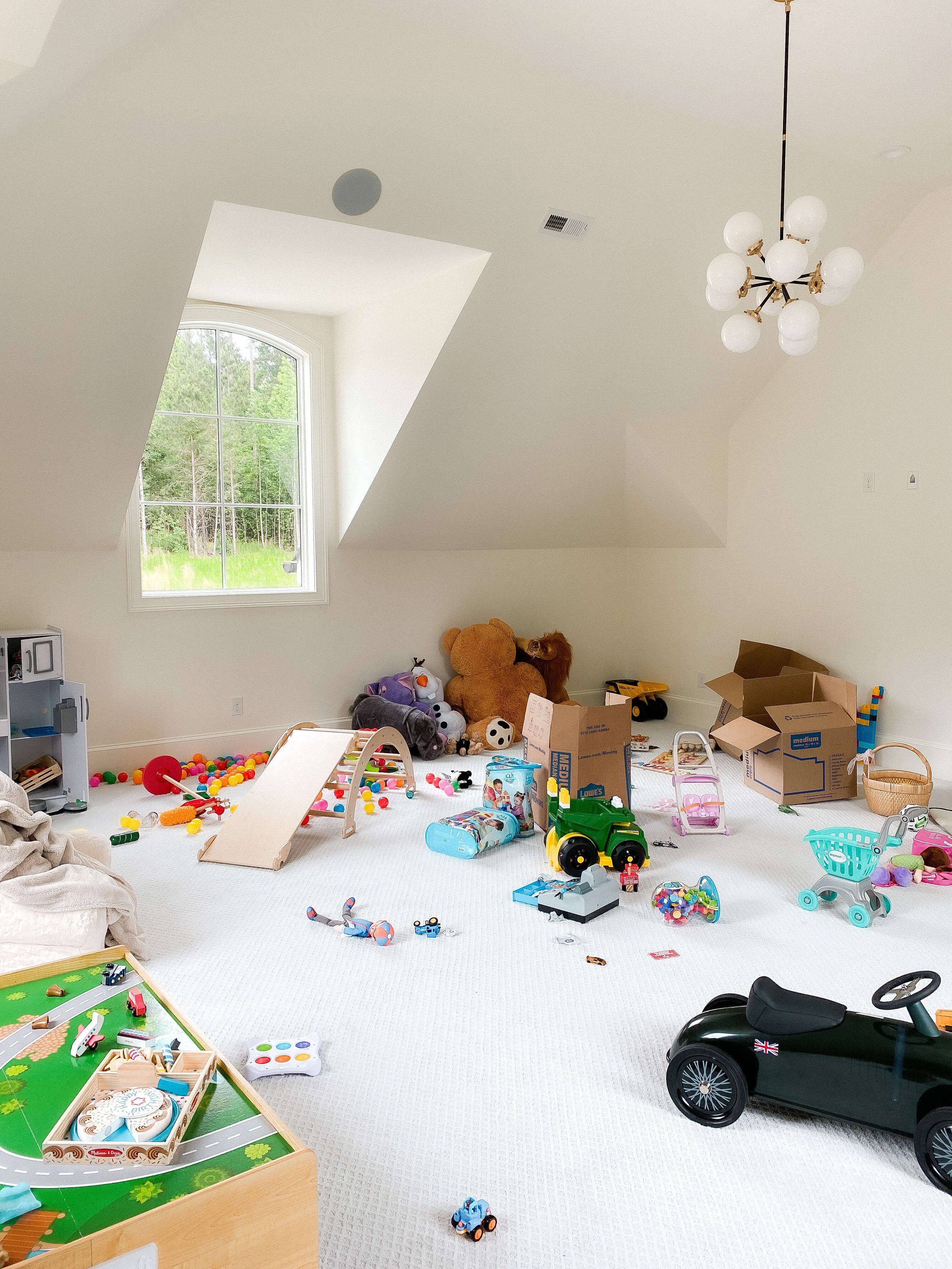
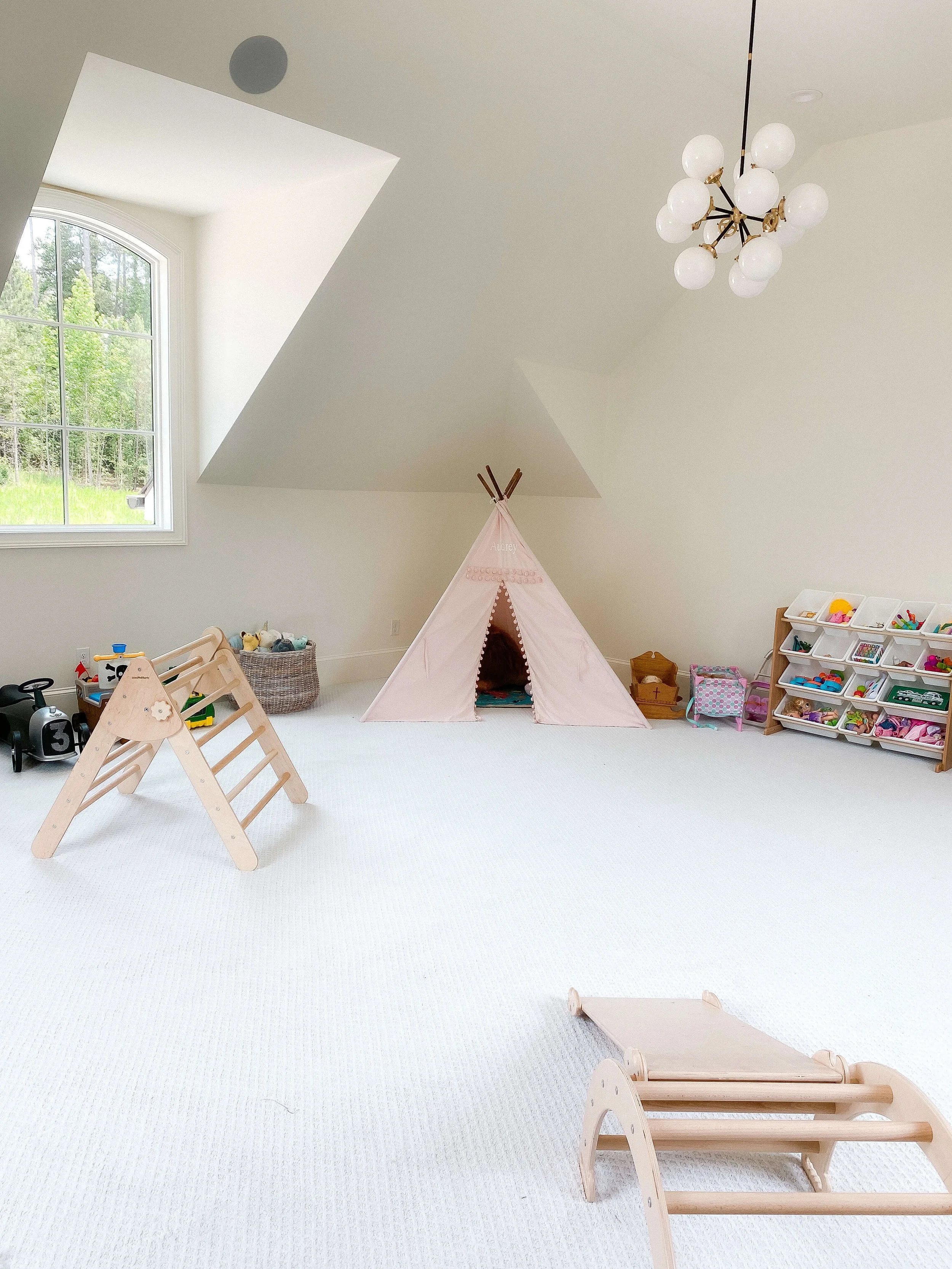
Summer is hard on playrooms. Longer days at home, new toys from birthdays and camp prizes, art projects, and outgrown games all move in and rarely move back out. By August, most Charlotte families we work with are looking at a playroom that no longer matches what their kids actually play with, let alone their upcoming school-year routine.
That's not a failure of the family. It's simply what happens when a space isn't revisited as kids grow. A playroom that worked beautifully for a five-year-old often doesn't work for the same child at seven, and a system built two summers ago rarely accounts for a new sibling, new interests, or a new school schedule.If you're resetting more than the playroom, our guide to resetting your home for fall after summer walks through a whole-home approach to seasonal organizing.
Start With an Edit, Not a New Set of Bins
Before buying a single new container, sort through what's actually in the room. We recommend three simple categories: keep, donate, and toss. Toys with missing pieces, games your kids have outgrown, and duplicate art supplies are usually the easiest place to start.
A common misconception is that more bins mean more organized. In our experience, the opposite is true. Adding storage to a space that's still full of things your kids no longer use just gives the clutter a new place to live. The system only works once the space reflects what your family actually needs right now.
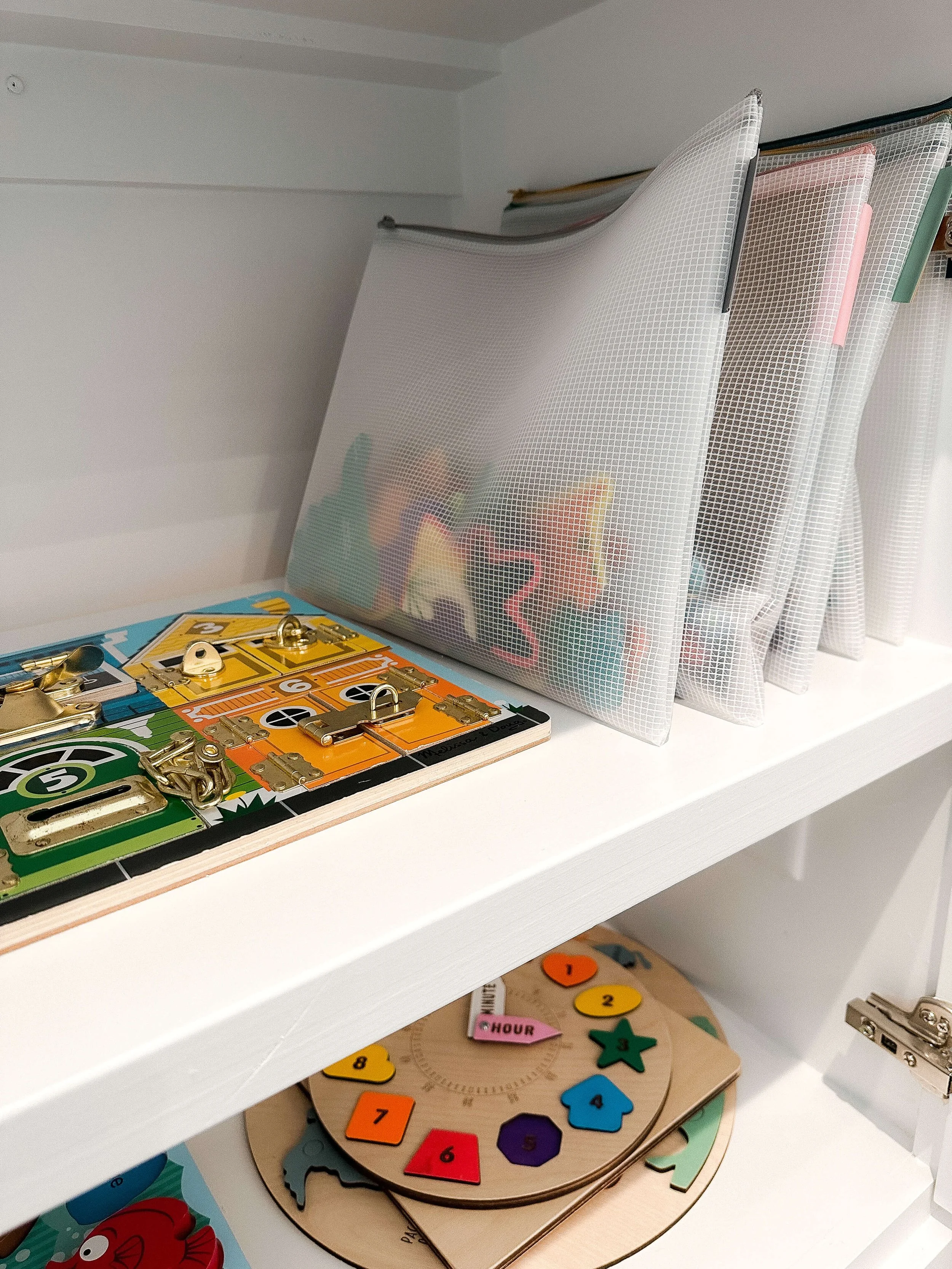
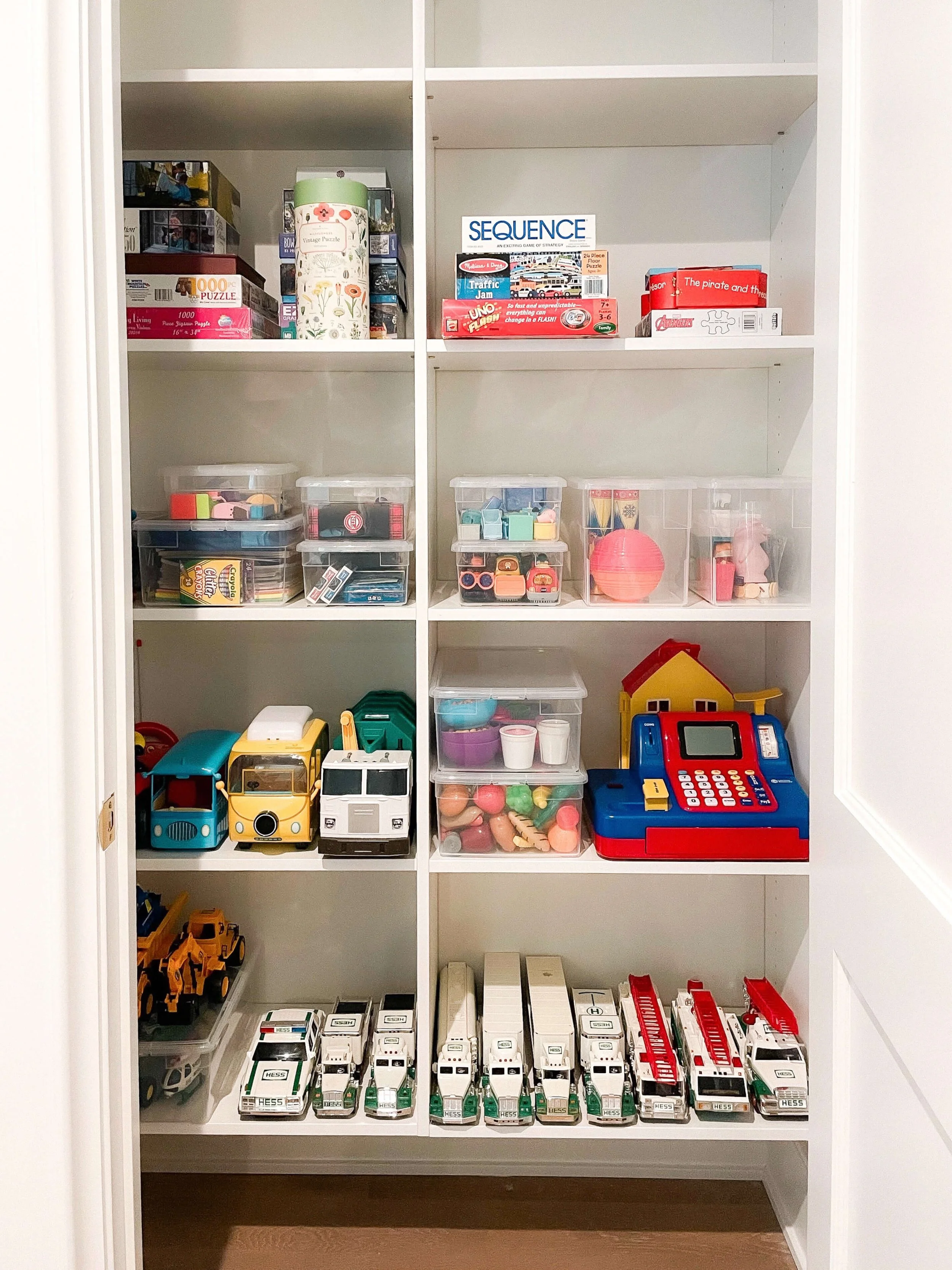
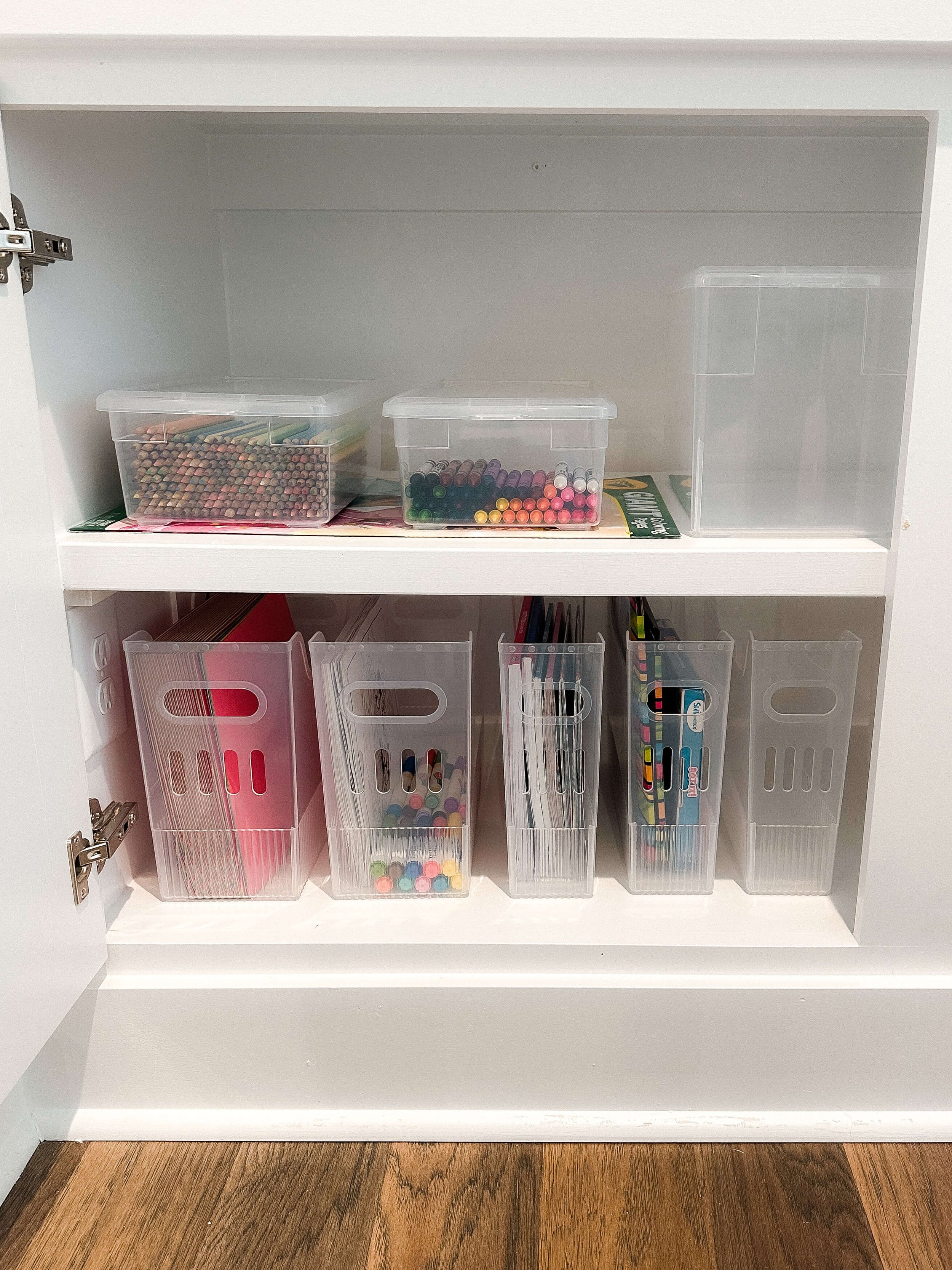
Set Up Zones Kids Can Actually Maintain
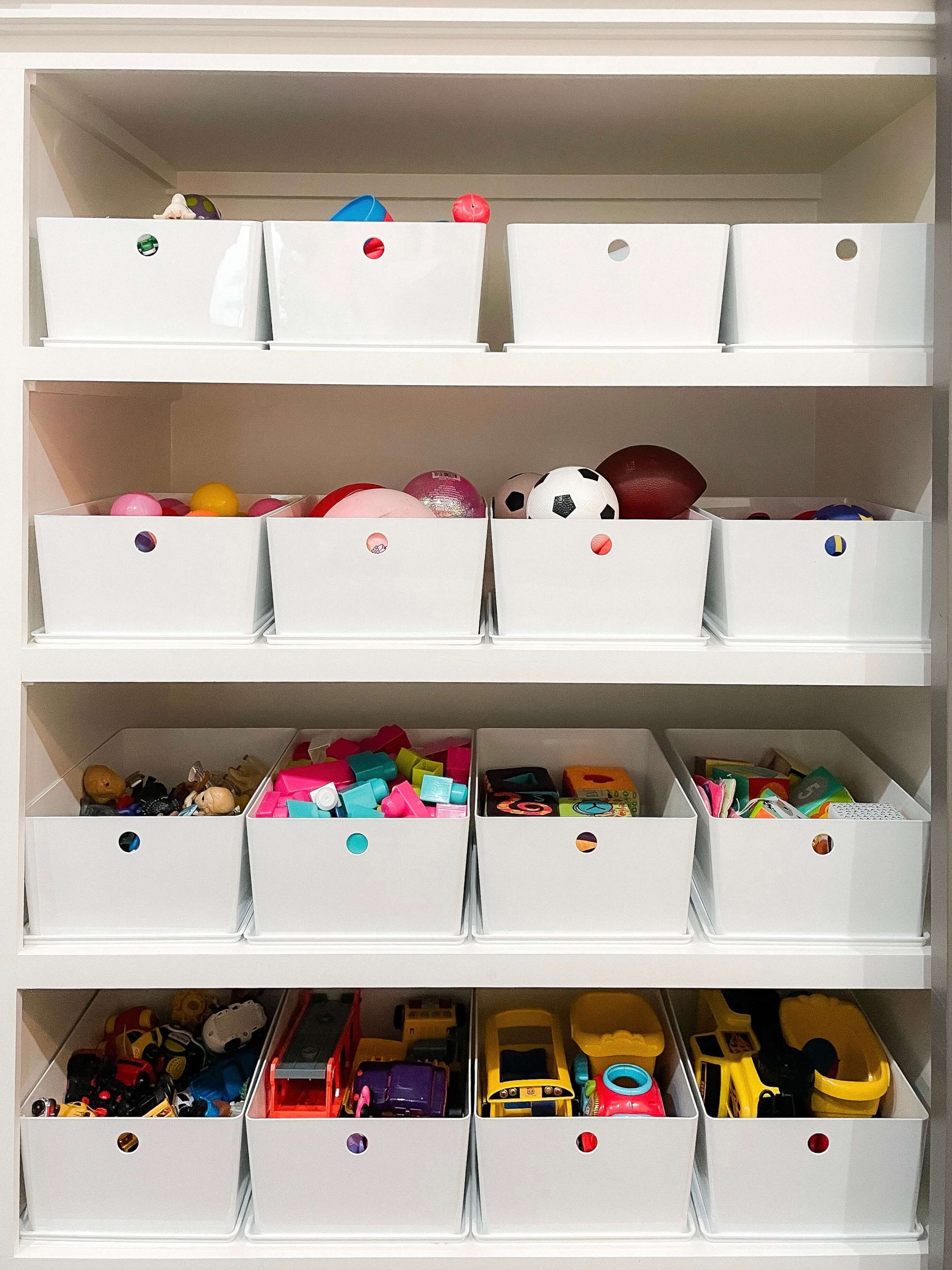
Once the space is edited down, group what's left into clear zones instead of one catch-all toy bin. A few examples that work well in most Charlotte playrooms:
Building and construction — blocks, LEGO sets, magnetic tiles
Art and creativity — crayons, paper, paint supplies
Pretend play — dress-up items, play kitchen accessories, dolls
Games and puzzles — board games, card games, puzzles
Books — a low shelf or bin kids can browse independently
Zones give kids a clear answer to "where does this go," which is the real key to a playroom staying organized past the first week of school.
Choose Products That Support the System
Organizing products should support the zones you've created, not decide them for you. In most cases, that means open bins over lidded ones, low shelving kids can reach without help, and simple picture or word labels depending on your child's age. Products chosen for looks alone rarely hold up to how kids actually use a space every day.
This is where our interior design background comes in. We choose storage that's functional enough for daily use and cohesive enough that the room still feels calm and pulled together, not like a warehouse of plastic bins.
Let Kids Help, Age-Appropriately
Involving kids in the process, in a way that fits their age, makes a real difference in whether the new system lasts. Younger children can help decide which toys to keep by choosing a few favorites. Older kids can take part in sorting and even help decide where categories should live. When kids have a hand in creating the system, they're far more likely to help maintain it.
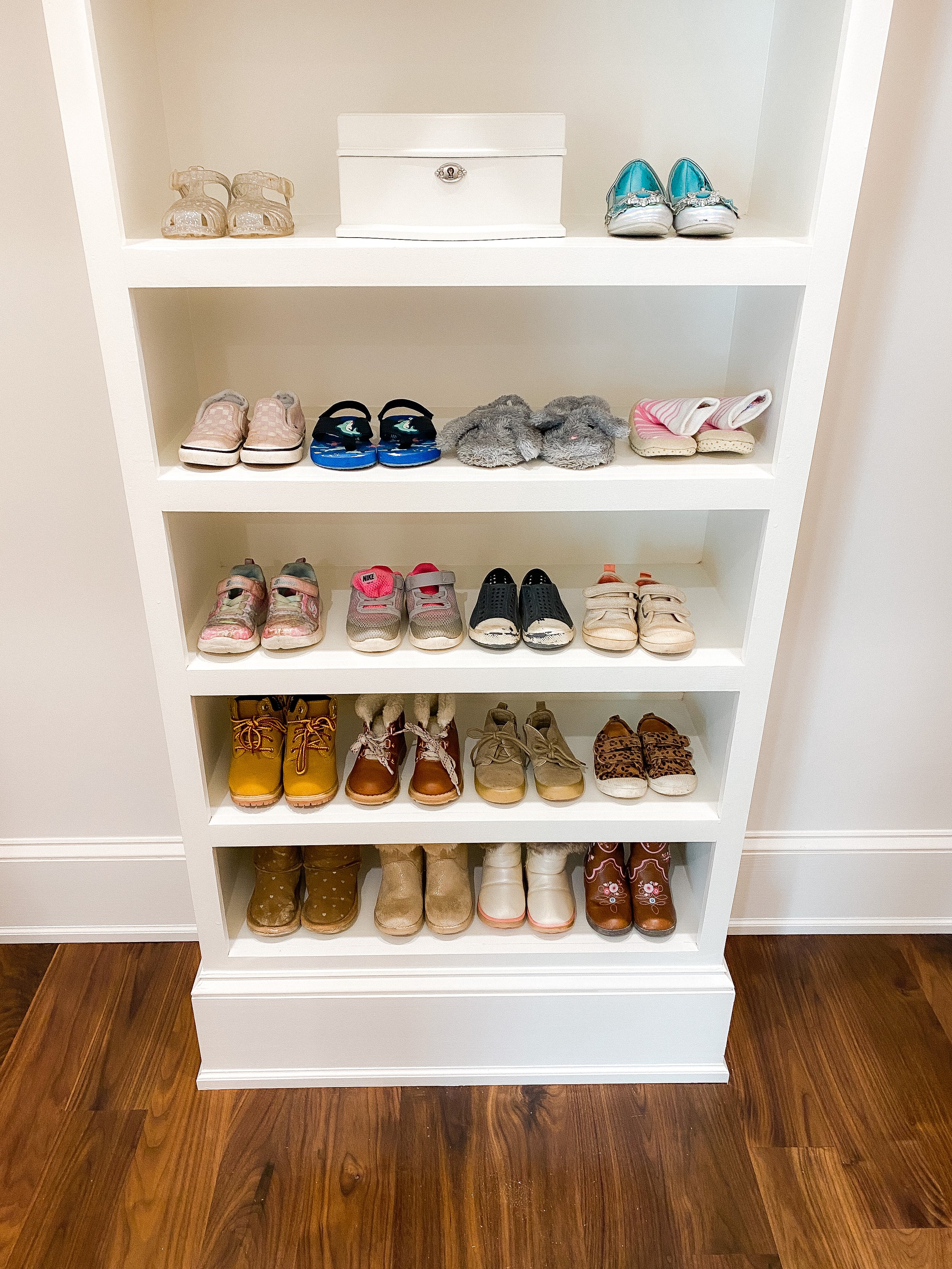
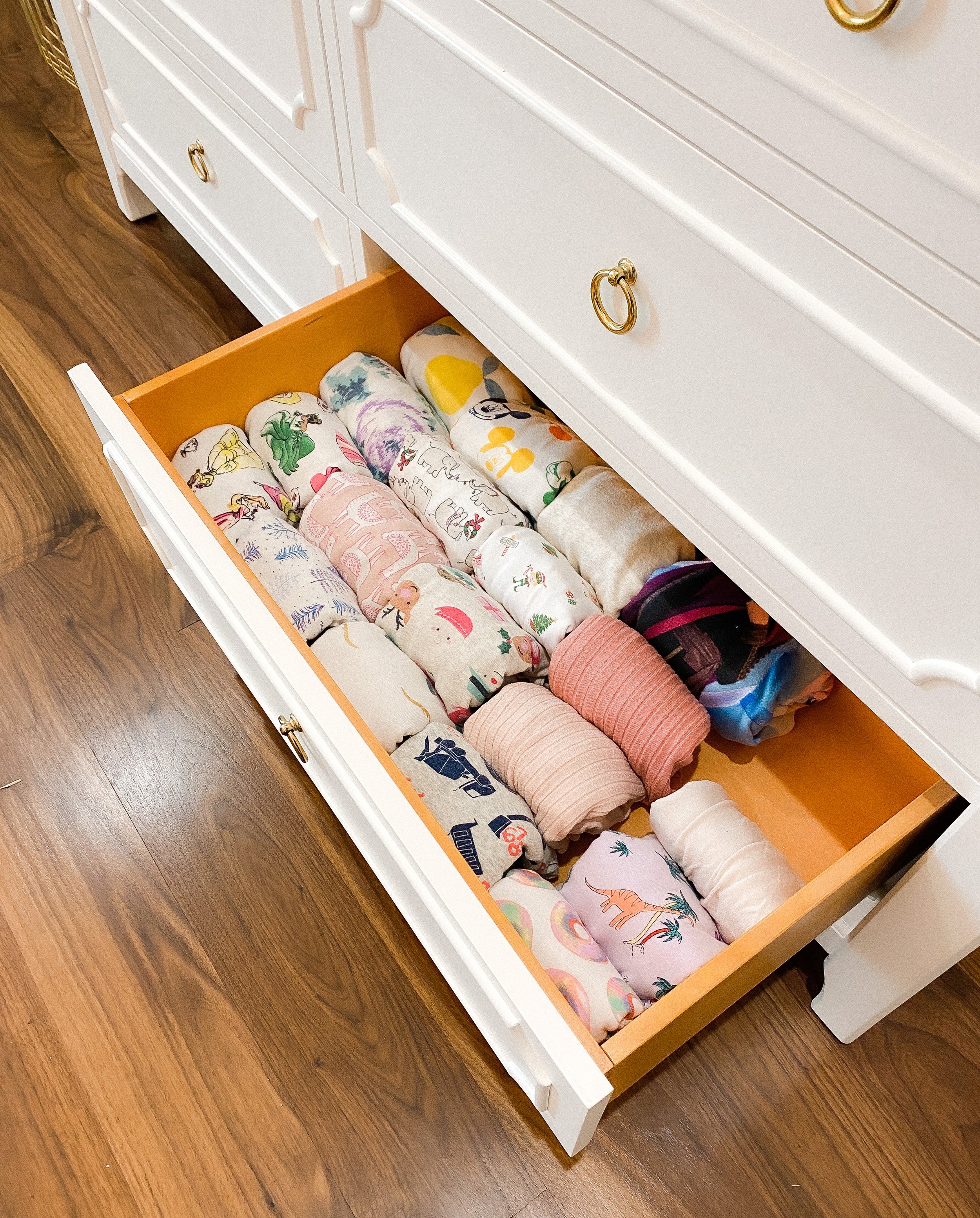
Don't Stop at the Playroom: Resetting Kids' Bedrooms Too
The same summer buildup that takes over a playroom usually spills into the bedroom, too. Closets get packed with clothes that no longer fit, drawers fill up with camp t-shirts and mismatched socks, and toys that used to live in the playroom migrate onto the bedroom floor.
The edit-first approach works here as well. Start with clothing: pull anything too small or too worn and set it aside for donation before touching anything else. Once the closet and drawers reflect what your child will actually wear this fall, add simple systems that make dressing easier on school mornings, like grouping clothes by type or, for younger kids, by outfit.
Toys that have drifted into the bedroom can usually move back to their playroom zone once that space is set up. If a few favorites genuinely belong in the bedroom, give them one designated spot rather than letting them spread across the room.
Set Up a Homework and Backpack Zone
Back-to-school organization isn't only about toys and clothes. It's also about building a small system that supports the daily routine once school starts. A designated spot near the door, kitchen, or mudroom for backpacks, shoes, and lunch boxes prevents the nightly hunt for missing items. A simple homework zone, whether that's a corner of the kitchen table, a desk in the bedroom, or a spot in the playroom, gives kids one consistent place to work.
This doesn't need to be elaborate. A hook, a basket, and a clear surface are often enough. The goal is consistency, not a full home office setup, so kids know exactly where things belong before the first day of school arrives. For more ideas that make school mornings easier, read our 5 Back-to-School Organizing Hacks for Stress-Free Mornings.
When a Reset Becomes a Bigger Project
Sometimes what looks like a quick playroom or bedroom refresh turns into something bigger. Growing families, shared spaces, or rooms that need to double as a homework or craft area often benefit from a more complete redesign rather than a weekend reset. If that sounds like your space, that's exactly the kind of project our team takes on every week across Charlotte, and it's where a fresh set of eyes tends to make the biggest difference.
If your playroom needs more than an edit, we'd love to help. Get in touch to tell us about your space, and we'll walk you through what a Simplify Studio playroom reset looks like from start to finish.