
How Do I Organize My Kids' Rooms Before School Starts?
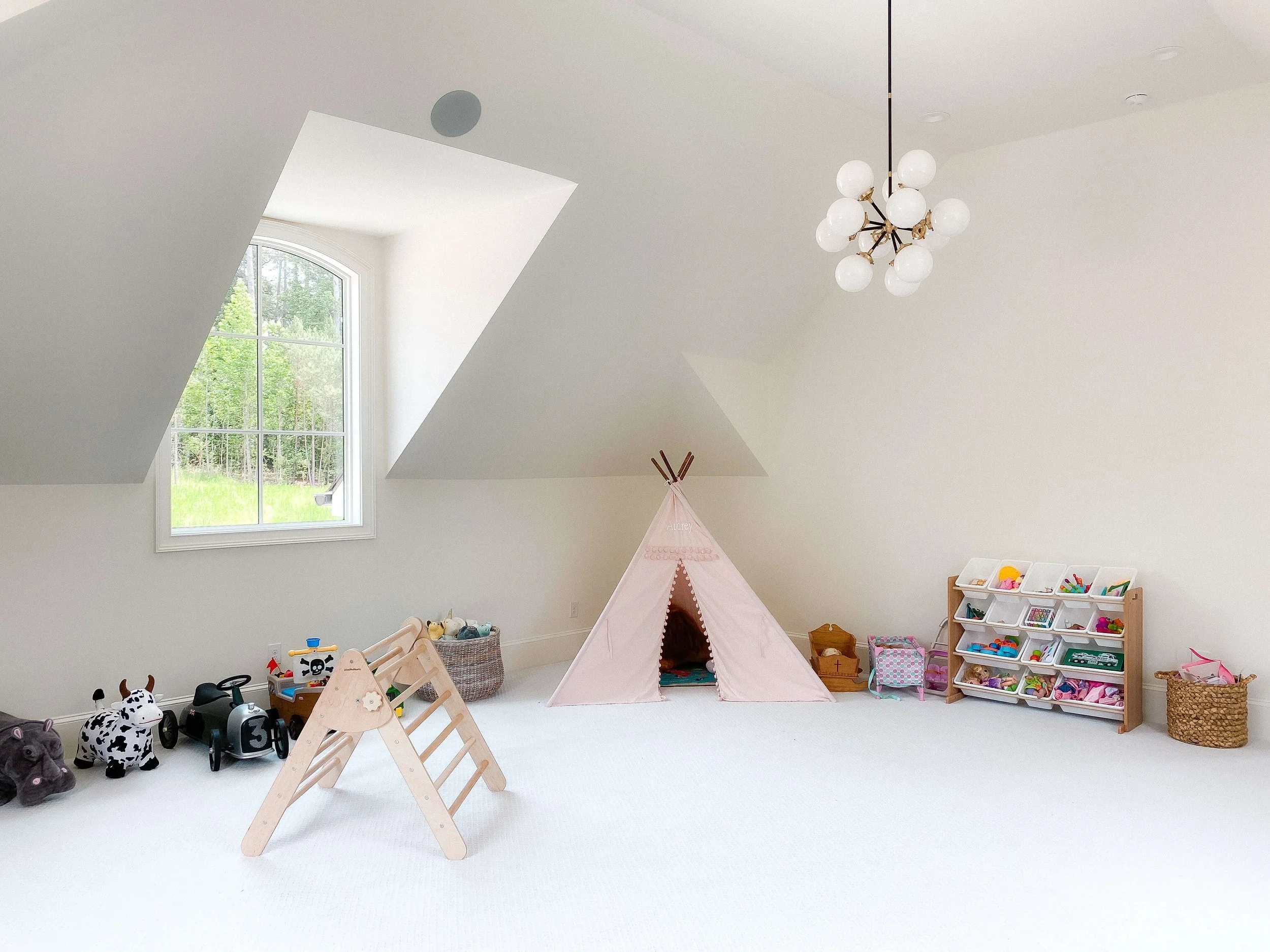
A thoughtfully organized playroom gives children clear places to play, create, and clean up independently while keeping the space calm and functional for everyday family life.
Reviewed by: Lisa Greene Smith, Founder, Simplify Studio Professional Organizing Last Updated: July 2026
Direct Answer
The best time to reset your kids' rooms is a few weeks before school starts, not the night before the first day. Late summer works because kids have outgrown clothes and toys over the last year, backpacks and school supplies need a landing spot, and everyone still has enough calendar breathing room to make thoughtful decisions instead of rushed ones. A good back-to-school reset means editing what's outgrown, creating simple systems kids can actually maintain, and setting up a routine that starts the year off calm instead of chaotic.
TL;DR
Late July through early August is the ideal window to reset kids' rooms and playrooms before Raleigh schools start.
Start with editing, not organizing. Outgrown clothes and toys need to leave the house before new systems go in.
Build routines kids can maintain on their own: labeled bins, low shelves, and simple homework and backpack stations.
Involve kids in age-appropriate decisions so the system actually sticks.
Avoid the common mistakes that cause most back-to-school systems to fall apart by week two.
A professional organizer can help design a room that grows with your child and holds up past week one.
Why This Matters
Every August, we hear a version of the same story from Raleigh parents: the school year starts, and within two weeks the backpack is buried under stuffed animals, the homework never has a home, and mornings feel like a scramble. It's rarely a discipline problem. It's a systems problem. Kids' rooms accumulate a full year of growth, gifts, and hand-me-downs, and by the time August rolls around, the space that worked in September no longer fits the child living in it.
The end of summer is a natural reset point. School supply lists are already asking families to think about what's needed for the year ahead, which makes it a good moment to also think about what's no longer needed at home. It's also a rare stretch when the calendar isn't yet packed with practices, homework, and evening activities, which makes it one of the only windows all year when a project like this is actually realistic to complete without feeling rushed.
Parents often wait until the week before school starts to think about any of this, which is exactly when time is shortest and stress is highest. Starting three to four weeks out gives the process room to breathe, and it gives kids time to adjust to a new system before it's tested by an actual school-day routine.
Start With Editing, Not Organizing
Before any bins or labels come out, the room needs an edit. This is the step most families skip, and it's the one that matters most.
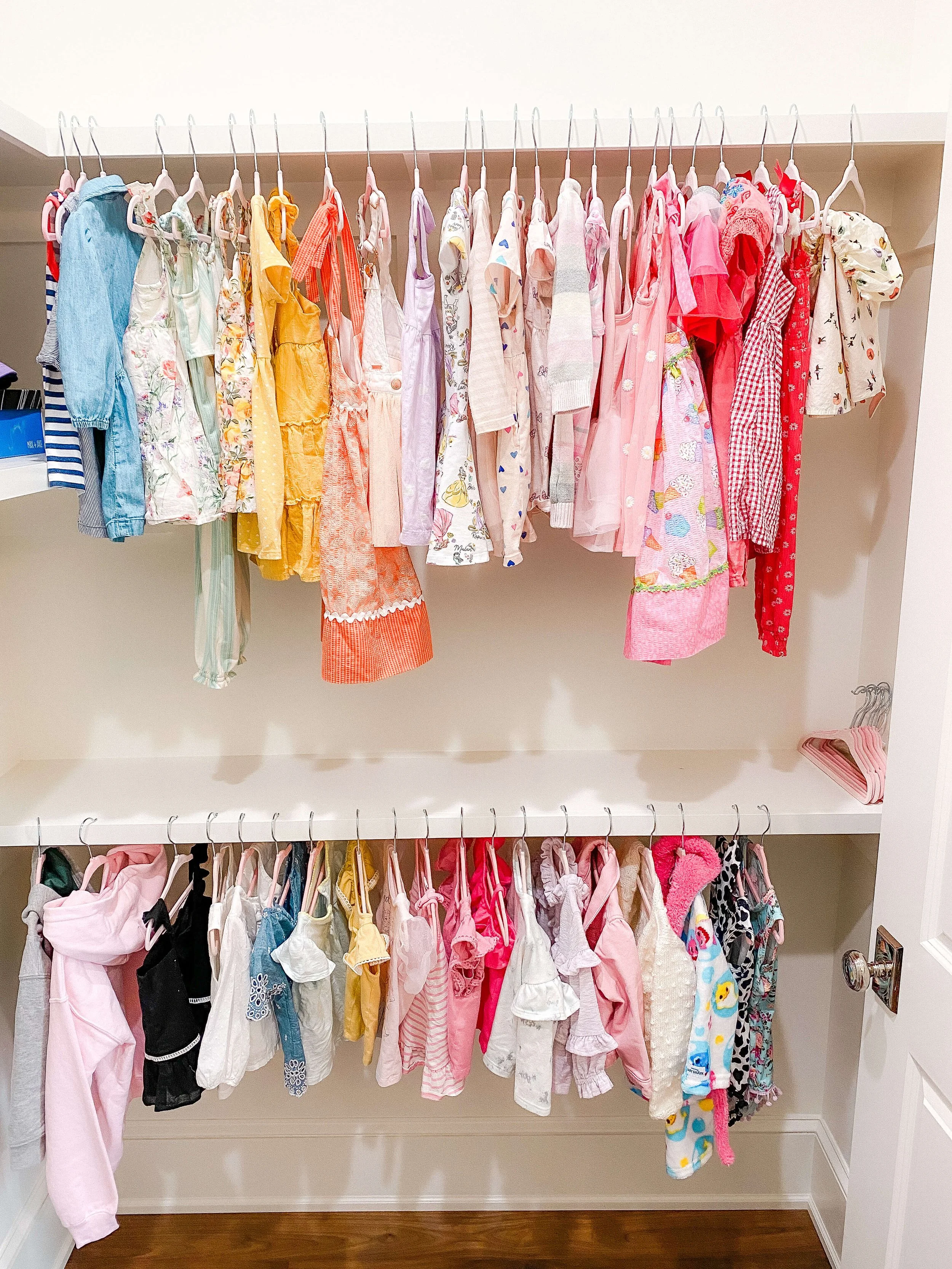
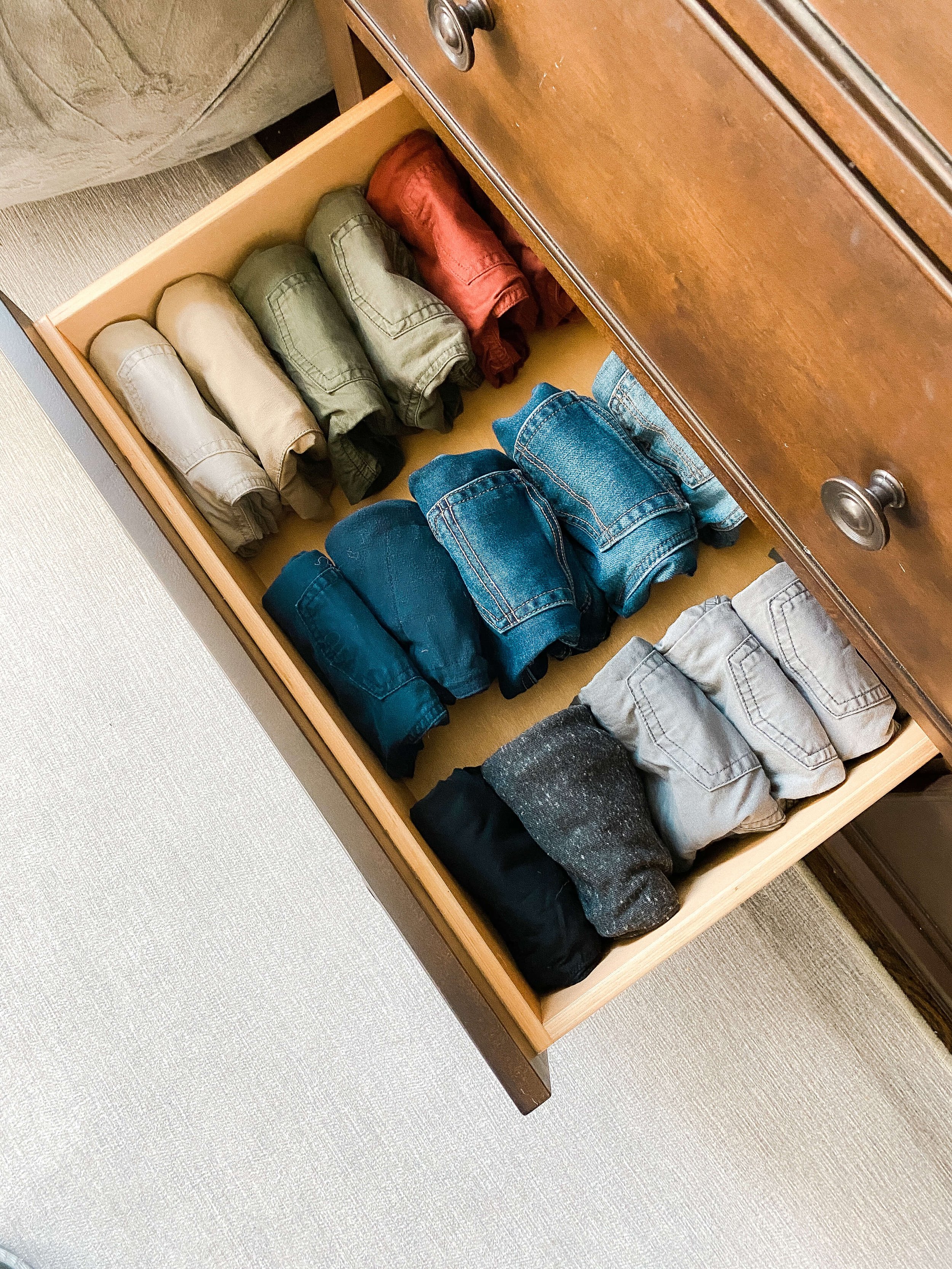
Go through clothing first. Kids grow unevenly, and it's common to find drawers full of things that no longer fit alongside a handful of items in daily rotation. Pull anything outgrown, stained beyond wear, or simply never worn.
Toys and games need the same treatment. Ask what's actually been played with in the last six months. Puzzles missing pieces, toys tied to a phase your child has moved past, and duplicate versions of the same thing can all go.
This part of the process is often the hardest for parents, not kids. There's an emotional weight to letting go of things tied to a child growing up. That's normal, and it's one of the reasons families bring in a professional organizer rather than trying to push through it alone at 9 p.m. on a Tuesday.
Most gently used items are a good fit for donation. If you're not sure where to take things locally, our donation and recycling guide for Charlotte and Raleigh is a useful place to start.
Design a System Kids Can Actually Keep Up With
Once the room is edited down to what belongs, the system itself should match how your child actually uses the space, not an aspirational version of a tidy room.
A few things that consistently work in Raleigh homes we've organized:
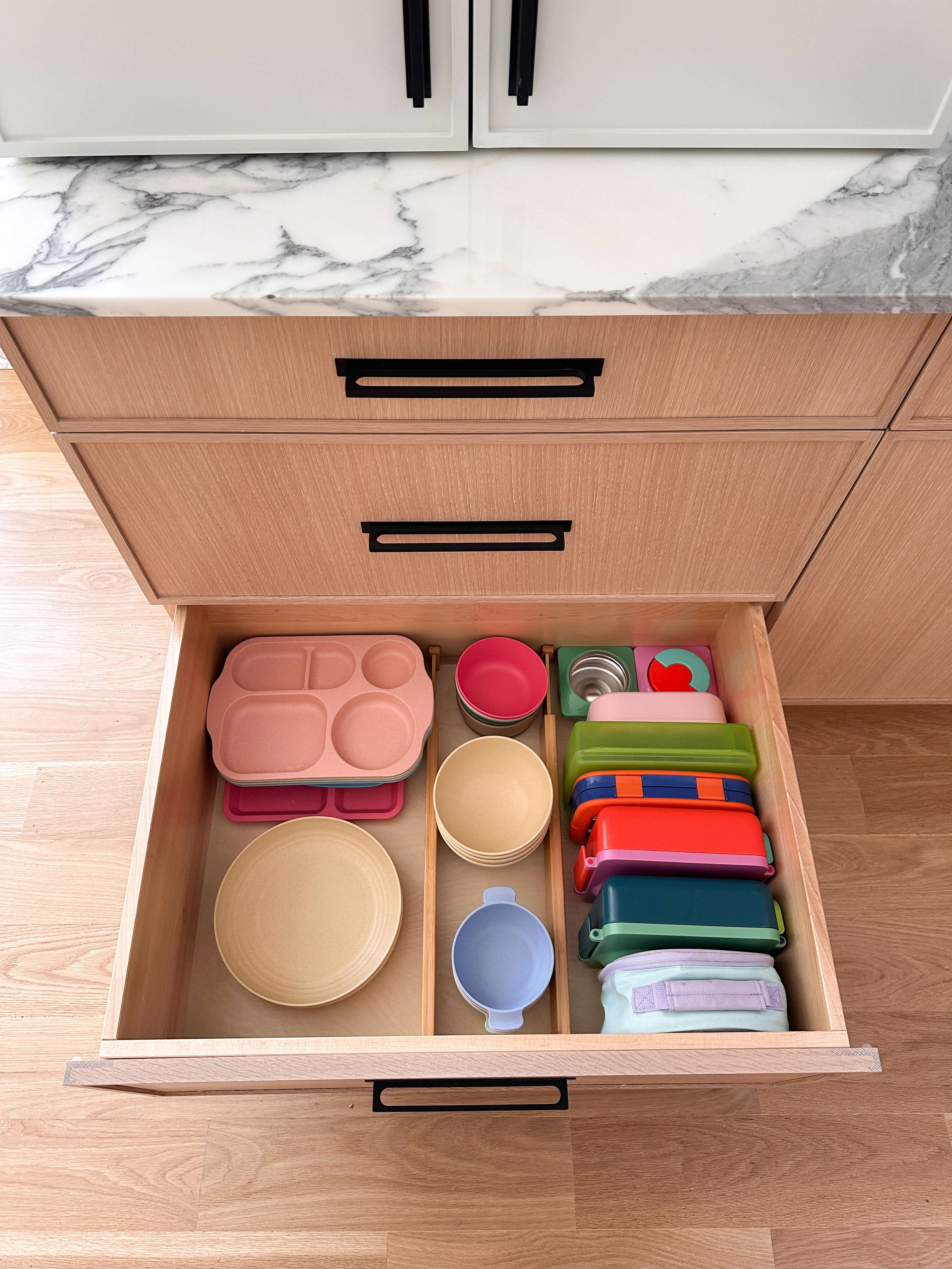
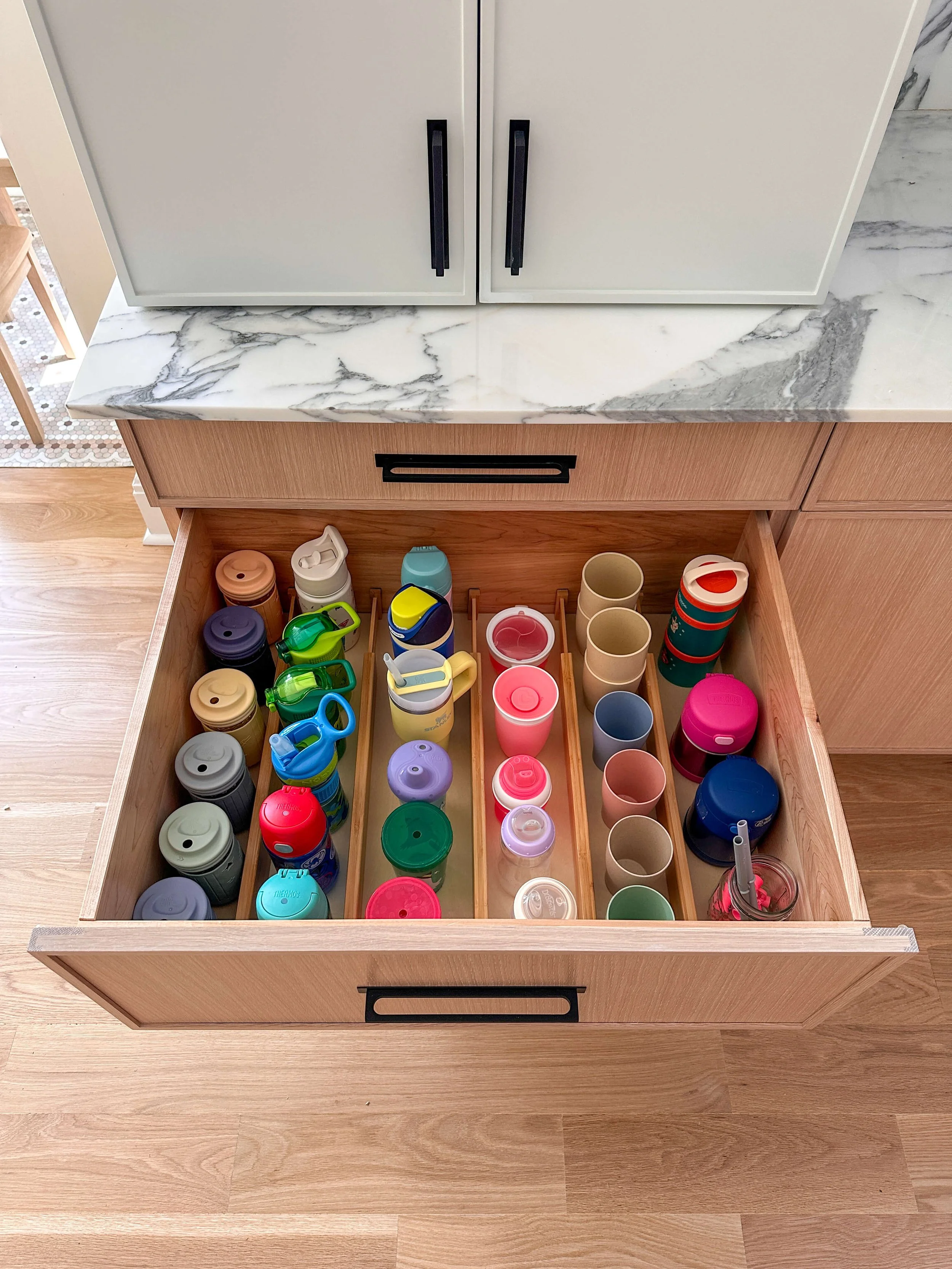
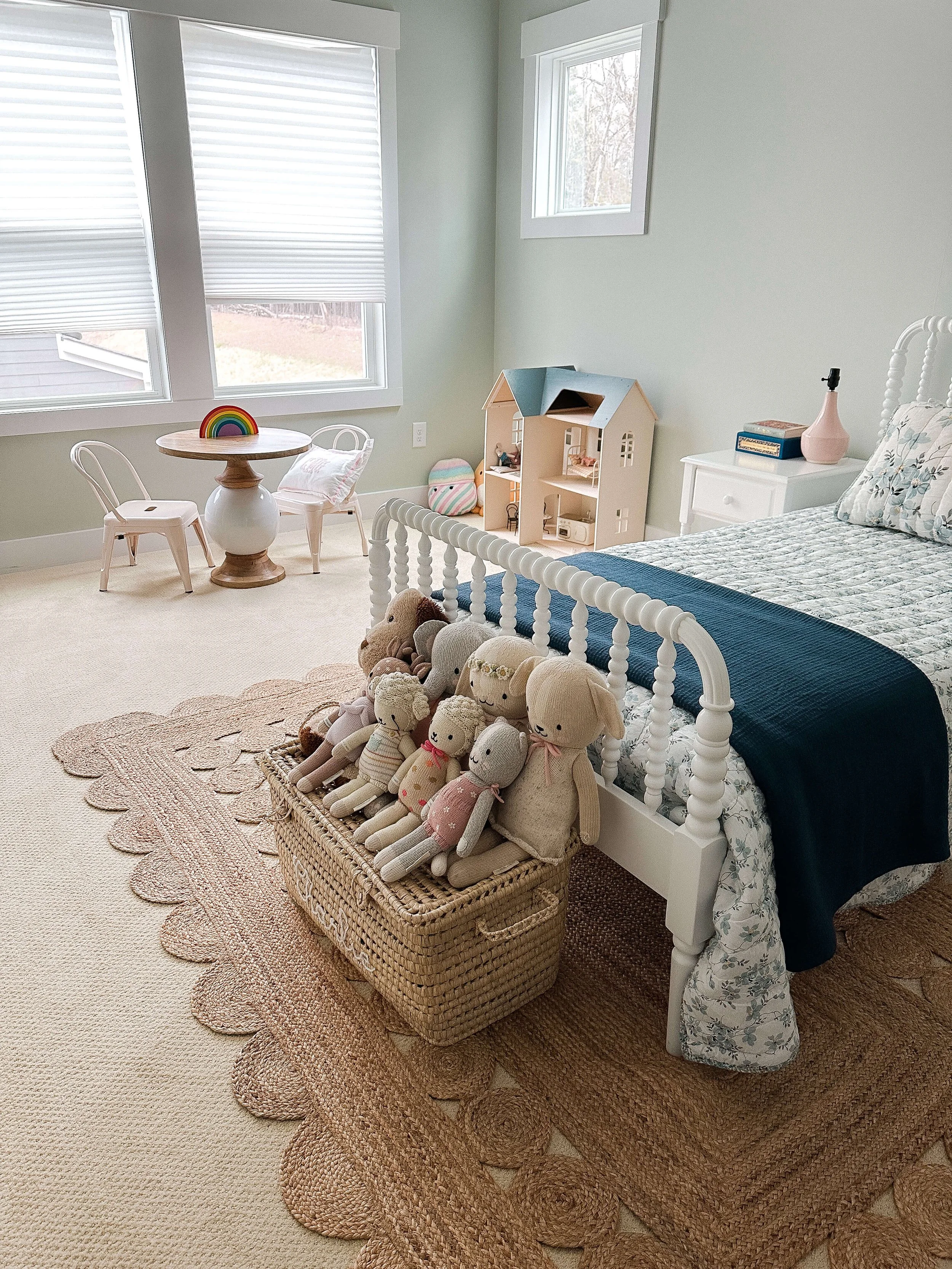
Low, open storage. Bins and shelves within a child's reach get used. Anything that requires a step stool or an adult usually doesn't.
Categories over containers. Group by type (art supplies, building toys, dress-up) rather than trying to fit everything into one catch-all bin. Fewer decisions per item means it's more likely to get put back correctly.
Picture labels for younger kids, word labels for readers. Labels aren't decoration. They're the instructions for the system.
A dedicated landing zone for school items. A hook for the backpack, a spot for shoes, and a small space for permission slips or supplies prevents the morning scavenger hunt.
One home for everything. Every category should have exactly one designated spot. When an item has two possible homes, it tends to end up on the floor instead of either one.
The goal isn't a Pinterest-perfect room. It's a room where a seven-year-old can find their favorite shirt and put their own toys away without an adult standing over them.
Set Up the Raleigh Playroom for the School-Year Pace
Playrooms in Raleigh homes often need a different kind of reset than bedrooms. During summer, playrooms tend to absorb everything: art projects, half-finished builds, seasonal toys. Before school starts, it's worth separating what's truly daily-use from what can rotate in and out of storage.
Toy rotation is one of the most effective tools we use with families. Keeping a portion of toys in accessible bins and the rest stored away, then swapping every few months, keeps the space manageable and keeps kids more engaged with what's out, since it doesn't all blend into the background. A rotation also naturally slows down the pace at which a playroom fills back up, since only a portion of the collection is ever in play at once.
For families short on storage space, we often build a rotation system into a closet or garage shelving unit rather than adding more furniture to the playroom itself. This keeps the room feeling calm and open while still giving kids access to their full range of toys over time, just not all at once.
Involve Your Kids in the Process
Kids are far more likely to maintain a system they helped build. That doesn't mean handing over every decision, but it does mean giving age-appropriate choices: which toys to keep out, where the reading corner should go, what color bin holds the art supplies. A five-year-old and a ten-year-old will participate differently, and that's expected. The goal is buy-in, not a democratic vote on every item in the room.
Common Mistakes Families Make During a Back-to-School Reset
We see a handful of the same missteps every August, and each one is easy to avoid once you know to watch for it.
Buying storage before editing. Bins and baskets purchased before the edit almost always end up either too small, too large, or filled with things that should have been donated in the first place. Edit first, then shop for what the remaining items actually need.
Organizing for the parent's routine instead of the child's. A system that makes sense to an adult but sits above a child's reach or requires reading skills a younger child doesn't have yet will not get maintained by the child it belongs to.
Trying to do the whole house in one weekend. Kids' rooms and playrooms are enough for one focused project. Trying to reset every space in the house at once usually means nothing gets finished well.
Skipping the school-supply landing zone. Families often organize the bedroom and playroom beautifully, then wonder why mornings are still chaotic. The backpack, shoes, and daily school items need their own dedicated spot, separate from the rest of the room.
Not planning for growth. A system that fits this year's child perfectly may not fit next year's. Building in some flexibility, like adjustable shelving or bins that can be relabeled, saves a full redo down the road.
Why Raleigh Families Bring in a Professional Organizer for This
Most parents don't need help knowing that a system with labeled bins works better than a toy chest everything gets dumped into. What they need is time, an outside perspective on what's actually being used, and support making the harder editing decisions without the guilt that comes from doing it alone. That's one of the most common reasons a Raleigh, NC professional organizer gets called in for this particular project instead of a general house-cleaning service.
At Simplify Studio, we approach kids' rooms and playrooms the same way we approach every space: function first, without sacrificing how the room looks and feels. A system only works long-term if it's both practical for daily life and something the family actually likes living with.
A Simple Back-to-School Reset Timeline
3 weeks before school starts: Edit clothing and toys.
2 weeks before: Set up or refresh storage systems and labels.
1 week before: Create the backpack and school-supply landing zone.
First week of school: Adjust anything that isn't quite working. Every system needs a little real-world testing.
Quick Answers to Common Questions
How long does a kids' room reset actually take? For one child's bedroom, most families spend three to five hours between editing and setting up systems. A playroom, especially one that's absorbed a full summer of activity, can take longer. Working with a professional organizer typically shortens this significantly, since the editing decisions and system design happen in the same session rather than being spread across several exhausted evenings.
What should we do with the outgrown clothes and toys? Donation is the right choice for most gently used items. Our guide to donating and recycling in Charlotte and Raleigh covers local options. The goal is getting items out of the house efficiently, not letting a garage sale pile sit for another six months.
My kids share a room. Does that change the approach? It changes the layout, not the philosophy. Shared rooms benefit even more from clear, individual zones, since two kids trying to use one undivided system tends to break down faster than either child's space would on its own.
Ready for a Calmer School Year?
If the thought of tackling your kids' rooms and playroom feels like one more thing on an already full plate, that's exactly where we come in. Simplify Studio works with Raleigh families to design kids' spaces that are easier to maintain and genuinely enjoyable to be in.
Get in touch and fill out our contact form to get your kids' rooms ready before the first bell rings.