
Reviewed by Lisa Greene Smith, Founder of Simplify Studio Professional Organizing · Serving Charlotte and Raleigh, North Carolina · Last updated October 2025
The most effective home organizing resolutions are small, specific, and built on systems you can actually maintain once January's motivation fades. Instead of resolving to "get organized this year," choose one area at a time, give everything a designated home, and pair each new habit with a routine you already have. Resolutions last when they simplify your everyday life rather than add one more thing to keep up with.
Below are ten realistic organizing resolutions for Charlotte homes, along with how to make each one stick well past the first few weeks of the year.
TL;DR
Focus on one area at a time rather than the whole house at once.
Choose resolutions that make daily life easier, not just tidier.
Build simple systems and attach them to habits you already have.
Small, consistent effort beats an ambitious weekend overhaul.
When a space feels overwhelming or you want it done well the first time, a professional organizer can create systems designed to last.
Why Organizing Resolutions Are Worth Making
Organizing resolutions aren't really about neatness. They're about what an organized home gives back to you: time, calm, and mental space for the things that matter more than looking for your keys.
There's research behind that feeling. Studies from the Princeton Neuroscience Institute found that visual clutter competes for your brain's attention and makes it harder to focus, because your mind keeps processing everything in view whether you want it to or not (a helpful overview of that research lives here: Princeton Alumni Weekly). In other words, a calmer home isn't just nicer to look at. It genuinely reduces the low-level mental load you carry all day.
For busy Charlotte households juggling work Uptown, school runs in Ballantyne, and weekends at Freedom Park, that reclaimed time and focus is the real payoff.
The 10 Home Organizing Resolutions
1. Declutter One Area Each Week
Trying to organize the whole house at once is the fastest way to quit by mid-January. Pick one zone a week instead, whether that's a SouthPark pantry, a Dilworth hall closet, or a single kitchen drawer. Sort into keep, donate, and discard, and give yourself a "maybe" box for anything you're unsure about. If you haven't reached for it in 30 days, it's usually an easy goodbye. Charlotte has plenty of good donation options nearby, and keeping that handoff simple is often what keeps the momentum going.
2. Create a Functional Entryway
Your entryway is where the day's clutter lands first: shoes, bags, mail, and keys. A few hooks, a basket or two, and a small tray for keys and mail can turn that pileup into a reset zone. In walkable neighborhoods like NoDa and South End, an entryway that handles gym bags and bike helmets makes coming and going far less chaotic. The key is resetting it daily so the system stays effortless.
3. Streamline Paper and Mail
Paper is one of the most common sources of household overwhelm, and it accumulates quietly. Set up one landing spot for incoming mail, a recycle-and-shred station beside it, and a simple filing system for the documents you truly need to keep. Move bills and receipts to digital where you can. A five-minute weekly mail sort prevents the counter avalanche that so many families fight all year.
4. Organize the Kitchen
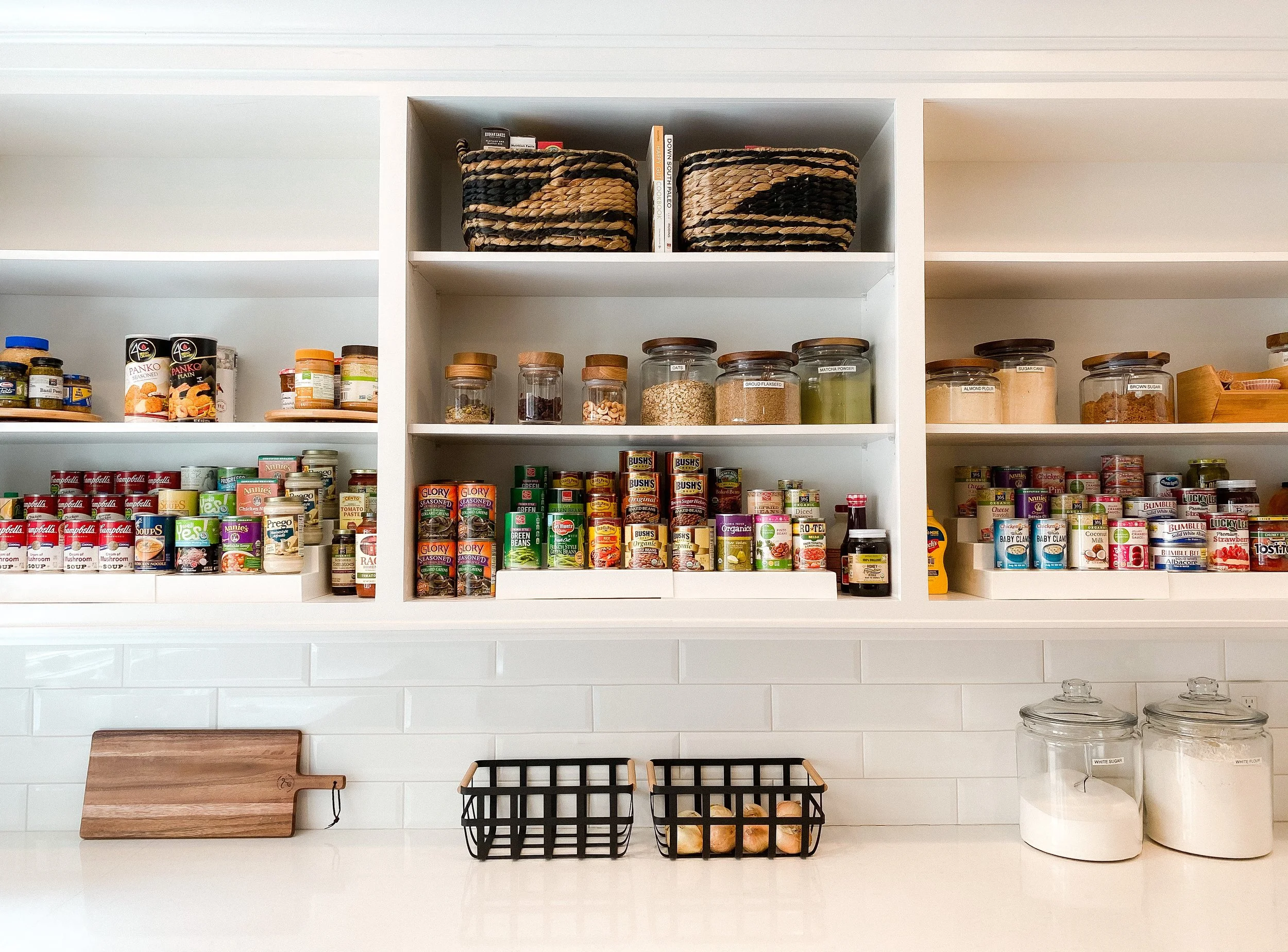
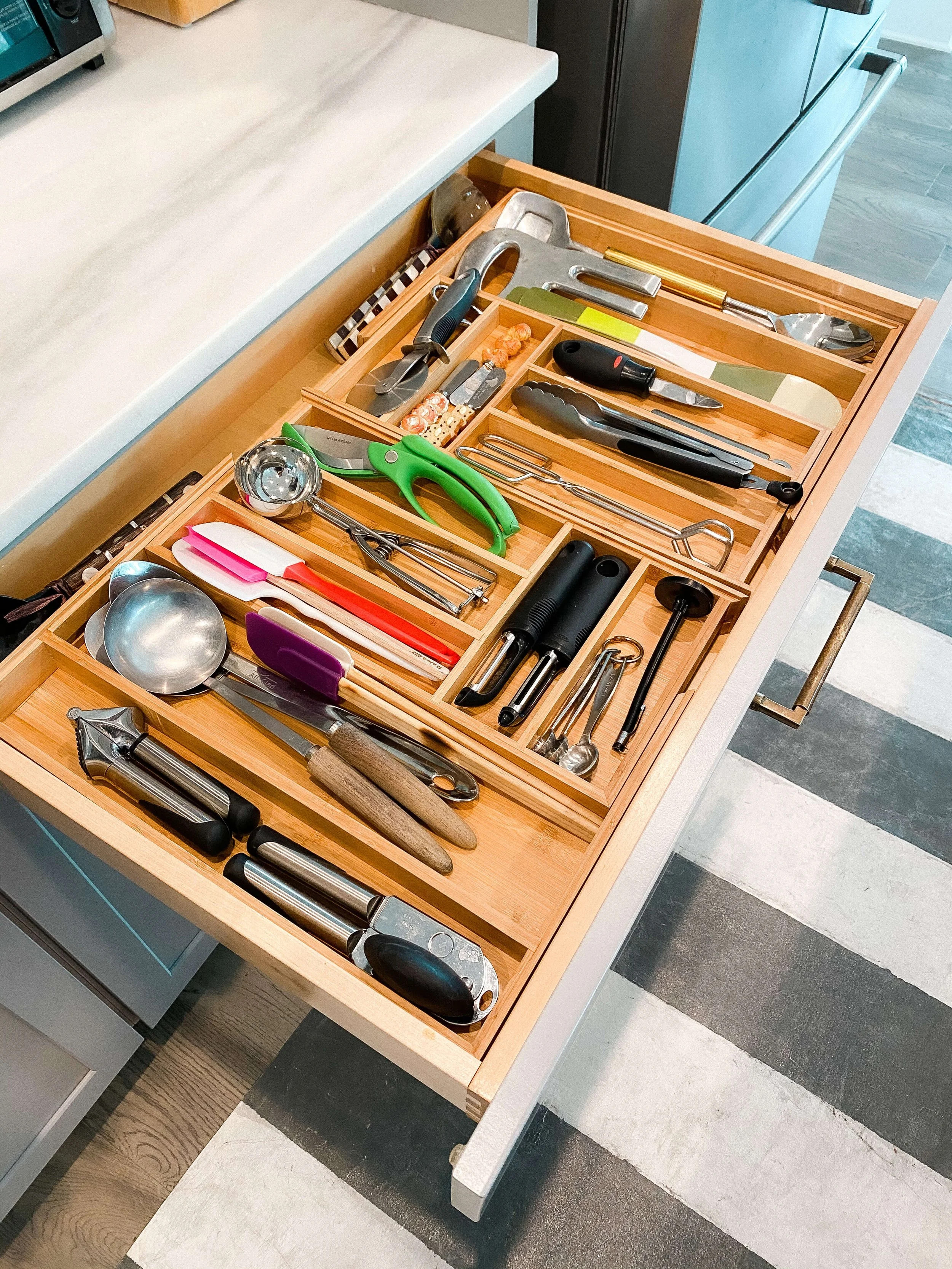
Kitchens work hardest, so clutter there costs you the most time. Clear out expired pantry items and duplicate gadgets, group like with like, and keep everyday items within easy reach. Even small changes, like a dedicated snack zone or a tidy spice setup, make weeknight cooking calmer. A quick reset after each meal keeps the whole system from unraveling.
5. Create a Laundry System
Laundry rarely feels finished, which is exactly why a system helps. Sort as you go with labeled hampers, keep supplies within reach, and choose consistent days for washing, drying, and folding rather than letting it pile into an all-day marathon. When everyone in the household knows where things go, the routine holds together on its own.
6. Tidy Your Closet
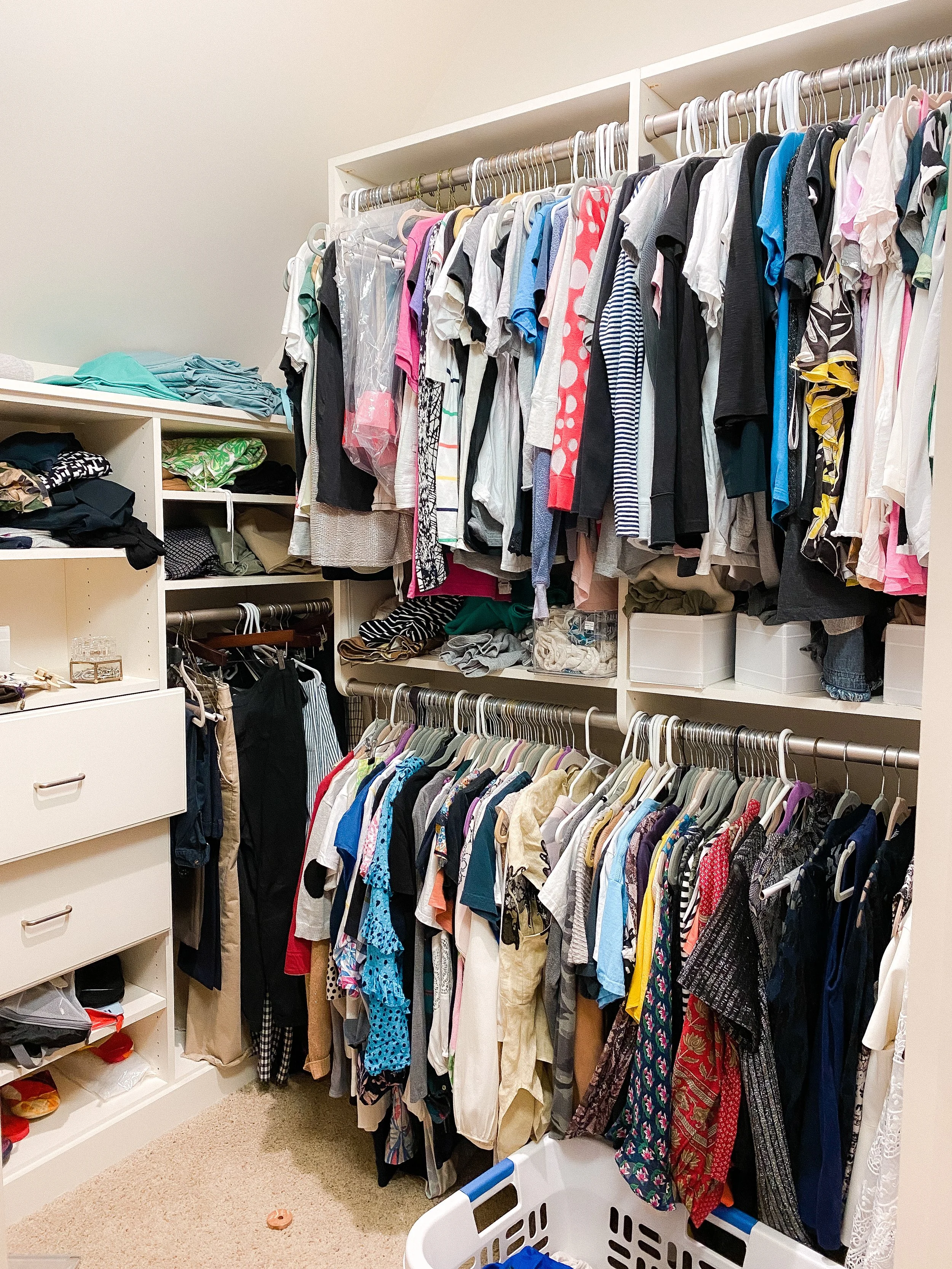
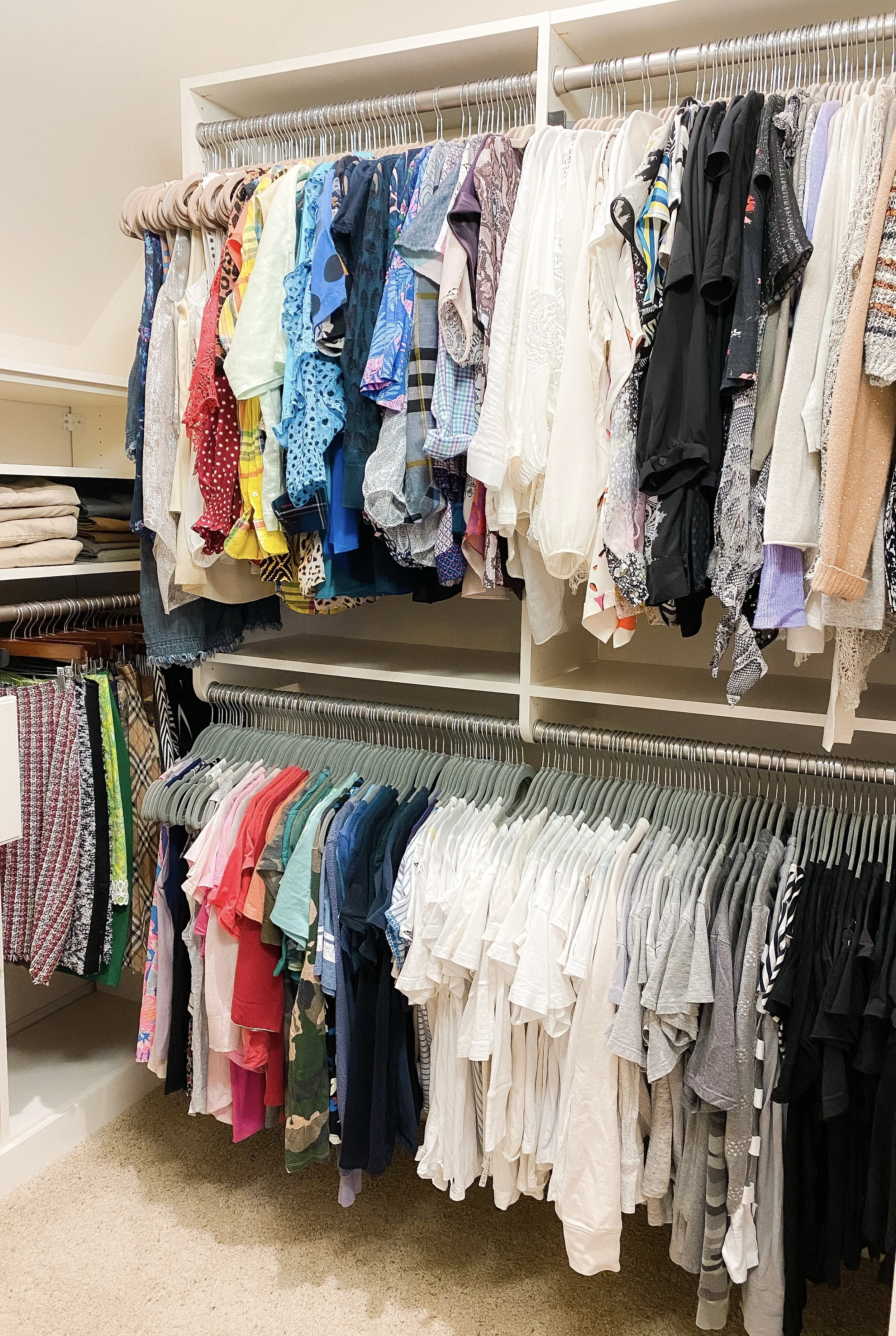
A cluttered closet creates decision fatigue before you've even had coffee. Remove what you no longer wear or love, group clothing in a way that matches how you actually get dressed, and use consistent hangers for a calmer visual flow. In older Charlotte homes with smaller closets, thoughtful use of every inch matters more than adding more bins. Twice a year, a quick seasonal review keeps it from creeping back to chaos.
7. Build a Daily 10-Minute Tidy Habit
Clutter builds up in minutes, so it clears in minutes too. A short daily tidy of your highest-traffic areas prevents the weekend-long cleanup entirely. The trick is attaching it to something you already do, like a morning coffee or an evening wind-down, so it becomes automatic rather than one more task on the list.
8. Create a Functional Home Office
With so many Charlotte professionals working from home, a functional workspace directly supports focus. Clear the desk down to essentials, add a drawer organizer and a simple filing system for active projects, and give your digital files the same attention. A quick weekly desk reset keeps the space working for you instead of against you.
9. Streamline Kids' Spaces
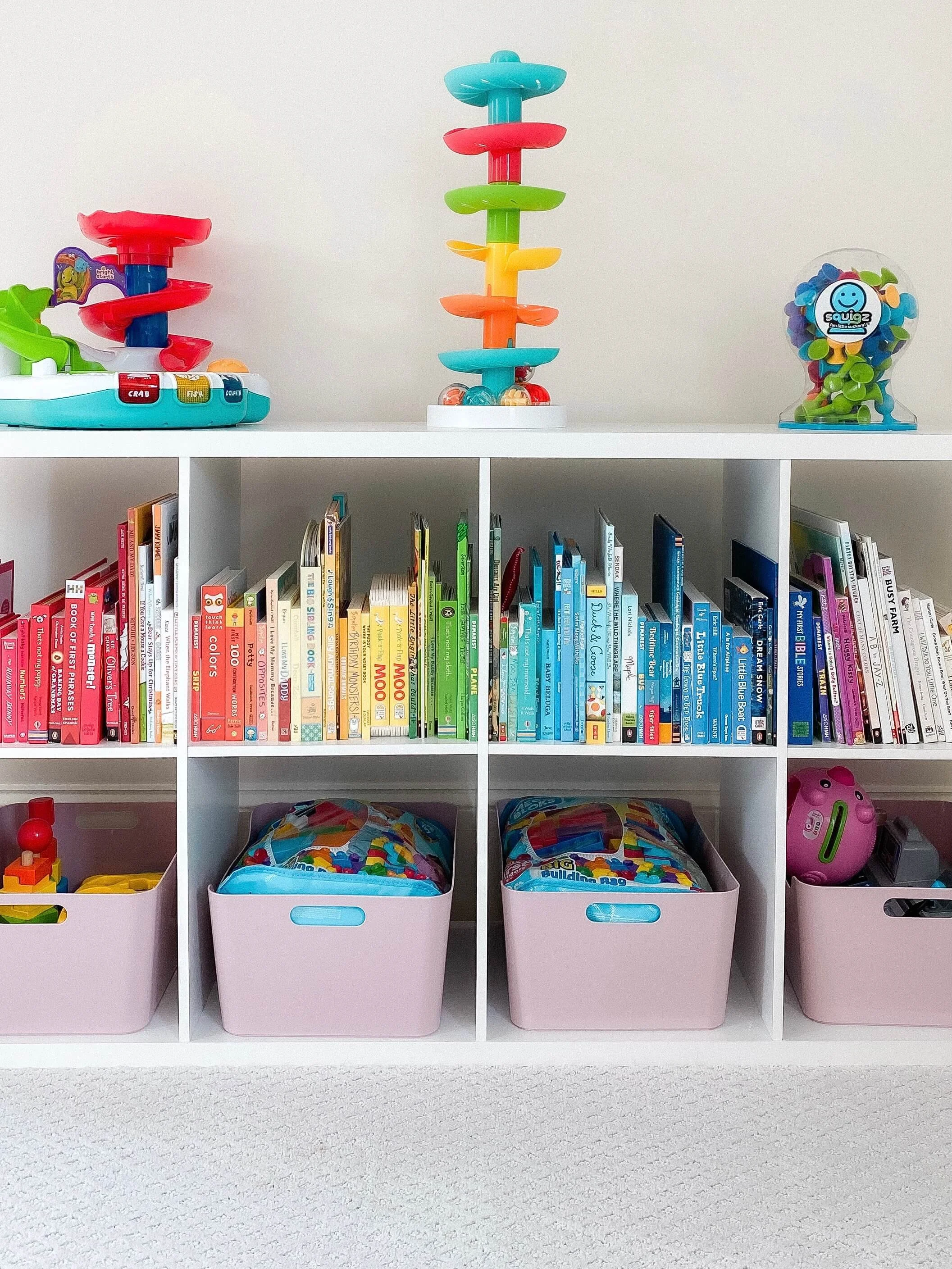
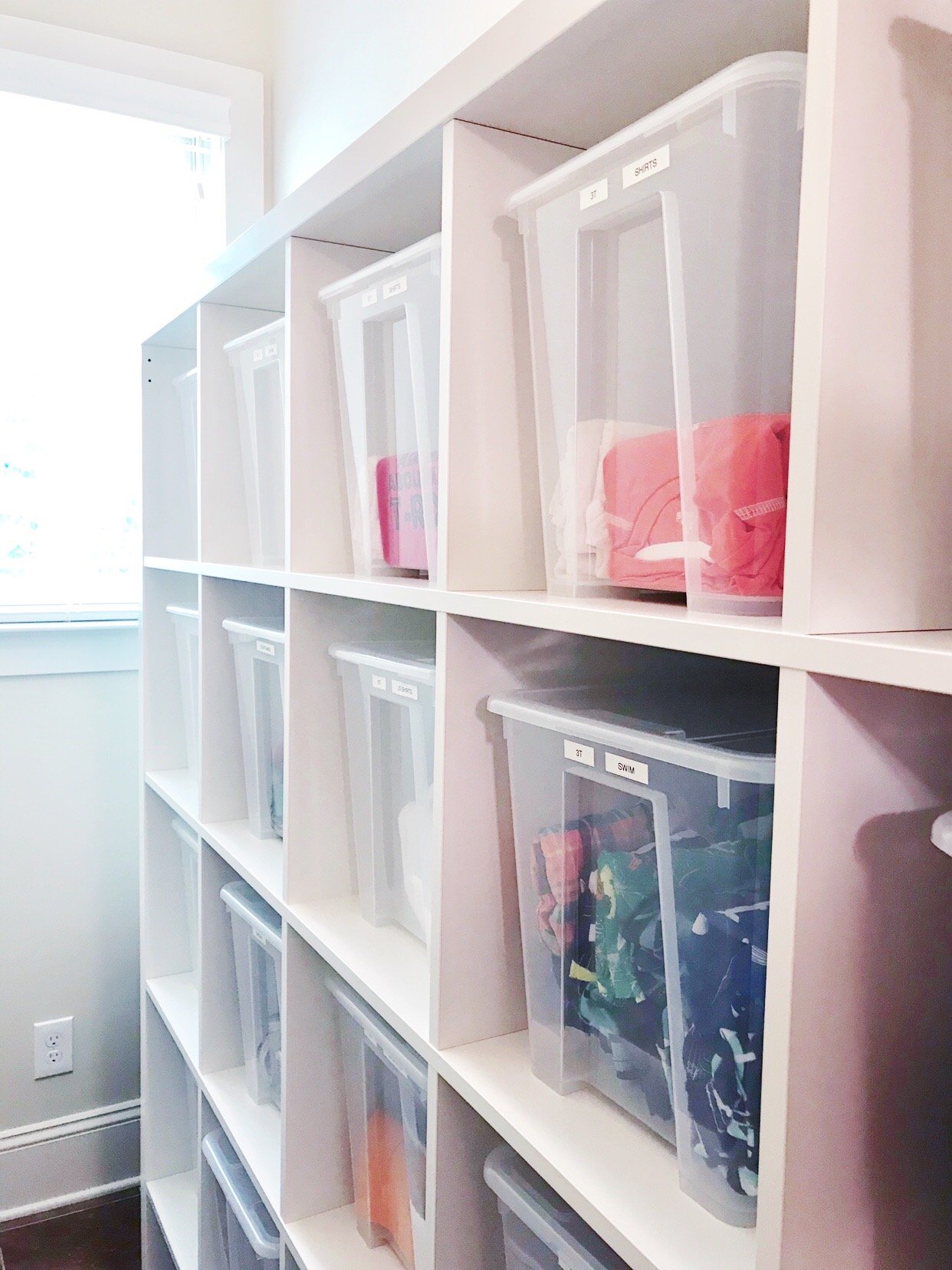
Organized kids' rooms and playrooms make mornings and bedtimes smoother for everyone. Rotate toys to reduce visible clutter, use labeled bins and low, open shelves your children can actually reach, and build a short daily cleanup into the routine. When the system is simple enough for kids to follow, it lasts far longer than a picture-perfect setup they can't maintain.
10. Plan Storage for Seasonal Items
Holiday decor, winter gear, and seasonal clothing overwhelm small spaces when they don't have a real home. Use labeled, clear bins in accessible spots, and rotate items as the seasons change. A twice-yearly review keeps seasonal storage from quietly taking over the garage or attic.
How to Make Your Resolutions Stick
The resolutions themselves are the easy part. Keeping them is where most people struggle, usually because they aimed for a full transformation instead of a sustainable habit. A few principles make the difference:
Start small. One area at a time keeps you moving instead of overwhelmed.
Build systems, not bursts. A tidy space fades. A good system holds.
Attach habits to routines you already have. New habits stick when they lean on existing ones.
Schedule quick check-ins. A recurring calendar reminder does more than willpower.
Notice your wins. Recognizing progress is what carries you past February.
When It Makes Sense to Bring in a Professional Organizer
Plenty of these resolutions are doable on your own. But if a space feels too overwhelming to start, if you've reorganized the same closet three years running, or if you simply want it set up right the first time, that's where working with a professional changes things.
At Simplify Studio, we design organizing systems around how you actually live, then set them up so they're realistic to maintain long after we leave. The goal is never a home that only looks good on day one. It's a home that keeps working for you throughout the year, giving you back time and peace of mind rather than another project to manage.
Frequently Asked Questions
How do I keep my organizing resolutions from falling apart by February?
Choose fewer, smaller resolutions and build them into routines you already have. Most resolutions fail because they rely on motivation, which fades. Systems and habits are what carry the results forward once the initial enthusiasm wears off.
Which organizing resolution should I start with?
Start with the space that frustrates you most on a daily basis, often the entryway, the kitchen, or a paper pile. Solving a daily pain point first gives you an immediate, motivating win that makes the next area easier to tackle.
Do I need to buy a lot of organizing products to get organized?
No. Products help once you know what you're keeping and how you'll use the space, but buying bins before you edit and plan usually creates more clutter. Sort and plan first, then purchase only what supports the system.
Is it worth hiring a professional organizer instead of doing it myself?
It depends on your time, the size of the project, and how sustainable you need the result to be. A professional is most valuable when a space feels overwhelming, when previous attempts haven't lasted, or when you'd rather invest your time elsewhere and have systems designed to hold up over the long term.
Start the Year with Systems That Last
A new year is a natural moment to reset your home, and small, intentional resolutions are the ones most likely to stick. Choose one area, build a simple system, and let each success carry you to the next.
If you'd like help creating an organized home that stays that way, we'd love to talk. Contact Simplify Studio to see how thoughtful, personalized organizing can make this your calmest, most functional year yet.